The Wellness ROI Audit: Why Your Hotel Mystery Shopping Program is Leaving Six Figures on the Table
Most hotels have been mystery shopped at some point in their operational history. Someone checks into your property and notes whether the front desk staff smiled within thirty seconds of your arrival. They check if the bathroom was properly stocked and they time how long it took for you to get a drink at the bar. Finally, they fill out a standardized checklist and they leave.
This process is what we call an operational audit. It tells you whether your team followed the brand script, but it does not tell you whether your property is actually making money. A revenue-focused wellness audit evaluates something fundamentally different. It analyzes the commercial opportunity hiding in every single guest touchpoint. Instead of asking if the team performed, we ask how much revenue your property left on the table during the stay and where exactly that loss happened.
I have spent twenty years in hospitality working with brands like Four Seasons, Kimpton, and The Breakers Palm Beach. Earlier in my career, I helped write brand standards for luxury hotel mystery shopping programs. I know how traditional programs are designed, and I know exactly where they fall short. The standard mystery shop tells you if your property met its own standards, but a revenue-focused wellness audit tells you if your property is capturing the revenue it should be. The gap between those two points is where I frequently find between $50,000 and $200,000 in annual revenue that most independent hotels and retreat venues are not capturing.
The Sensory First Impression and Emotional Value
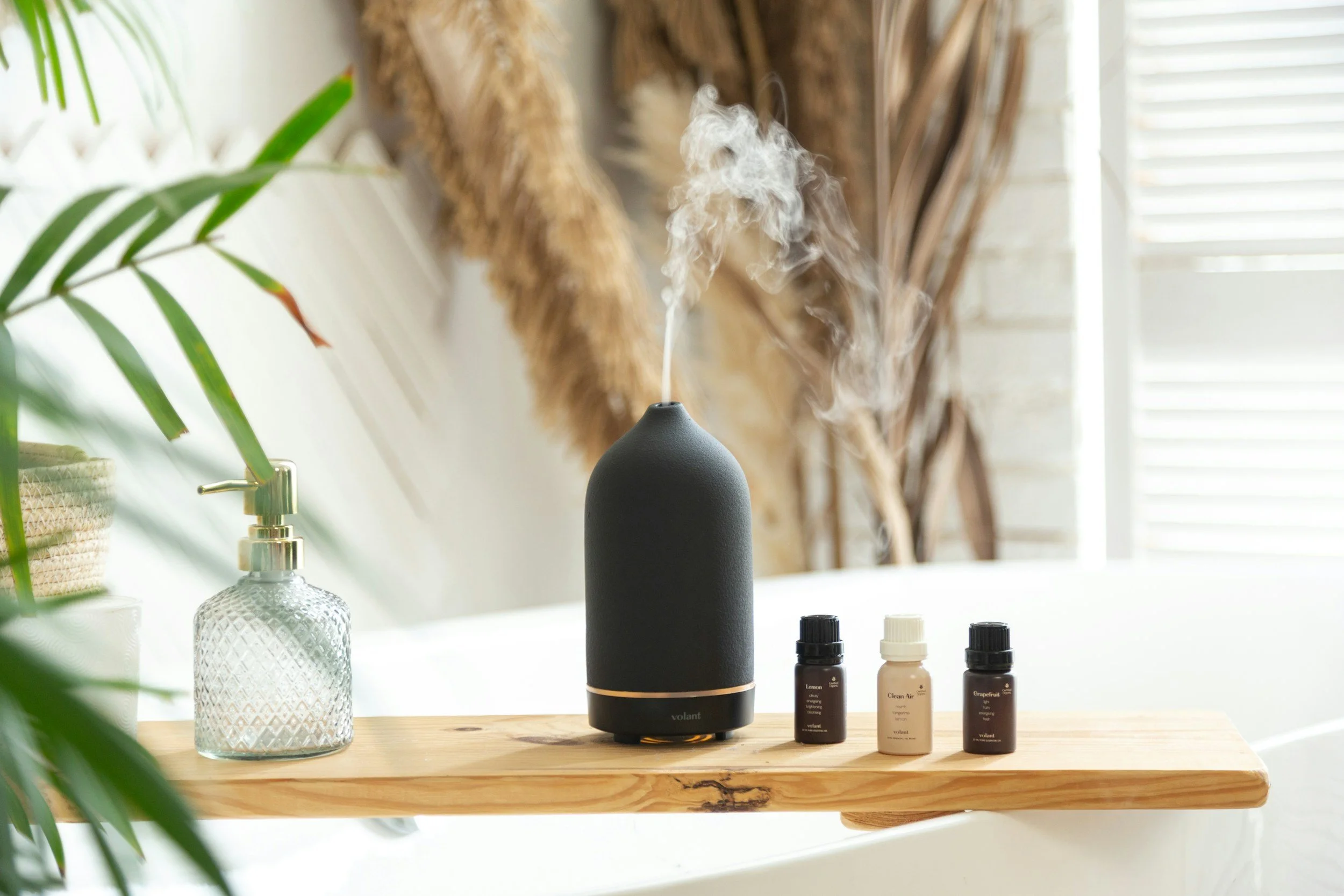
Guests form an emotional opinion of your property within the first thirty seconds of arrival. That opinion is not based on the decor or the front desk script. It is based on what they smell, what they hear, and how the space feels. A standard mystery shop might note whether the lobby was clean and welcoming. A revenue-focused mystery shop evaluates whether the sensory environment creates an emotional response that predisposes guests to spend more money during their stay.
When we conduct a wellness audit, we look for an intentional signature scent program. We evaluate whether the sound environment is curated with music or if it is accidental with HVAC noise and kitchen sounds bleeding through. Most independent properties have no intentional scent or sound strategy. Their lobbies smell like cleaning products or nothing at all, and their hallways are silent except for mechanical noise.
Revenue Math: The Sensory Premium
Properties that implement a basic sensory program report measurable improvements in guest satisfaction scores and willingness to pay premium rates. A signature aromatherapy program costs a few hundred dollars to implement. However, the premium it justifies on a wellness room tier can be $30 to $50 per night. If you apply this to even ten rooms, the return on investment is immediate.
Capturing the Highest-Intent Moment at Check-In
Check-in is the highest-intent moment of the entire guest journey. The guest has already committed to being at your property and they are standing in front of your team. They are psychologically primed to say yes to an enhancement that will improve their stay. Standard mystery shopping evaluates if the front desk was friendly and efficient, but we evaluate whether they captured the upsell opportunity.
We consistently find that in seventy to eighty percent of the properties I audit, the front desk mentions no upgrades or wellness packages. They confirm the reservation and hand over the key. This interaction generates zero incremental revenue. This often happens because staff training does not prioritize psychological safety or revenue confidence. You can read more about how The Invisible Infrastructure affects these team behaviors.
Revenue Math: The Check-In Upsell
If your front desk misses a $40 upgrade opportunity on seventy percent of check-ins at sixty-five percent occupancy on a fifty-room property, you are losing approximately $85,000 in annual revenue. Your team is not failing because they are bad at their jobs. They are failing because no one has trained them to see check-in as a critical revenue moment.
The Food and Beverage Positioning Gap
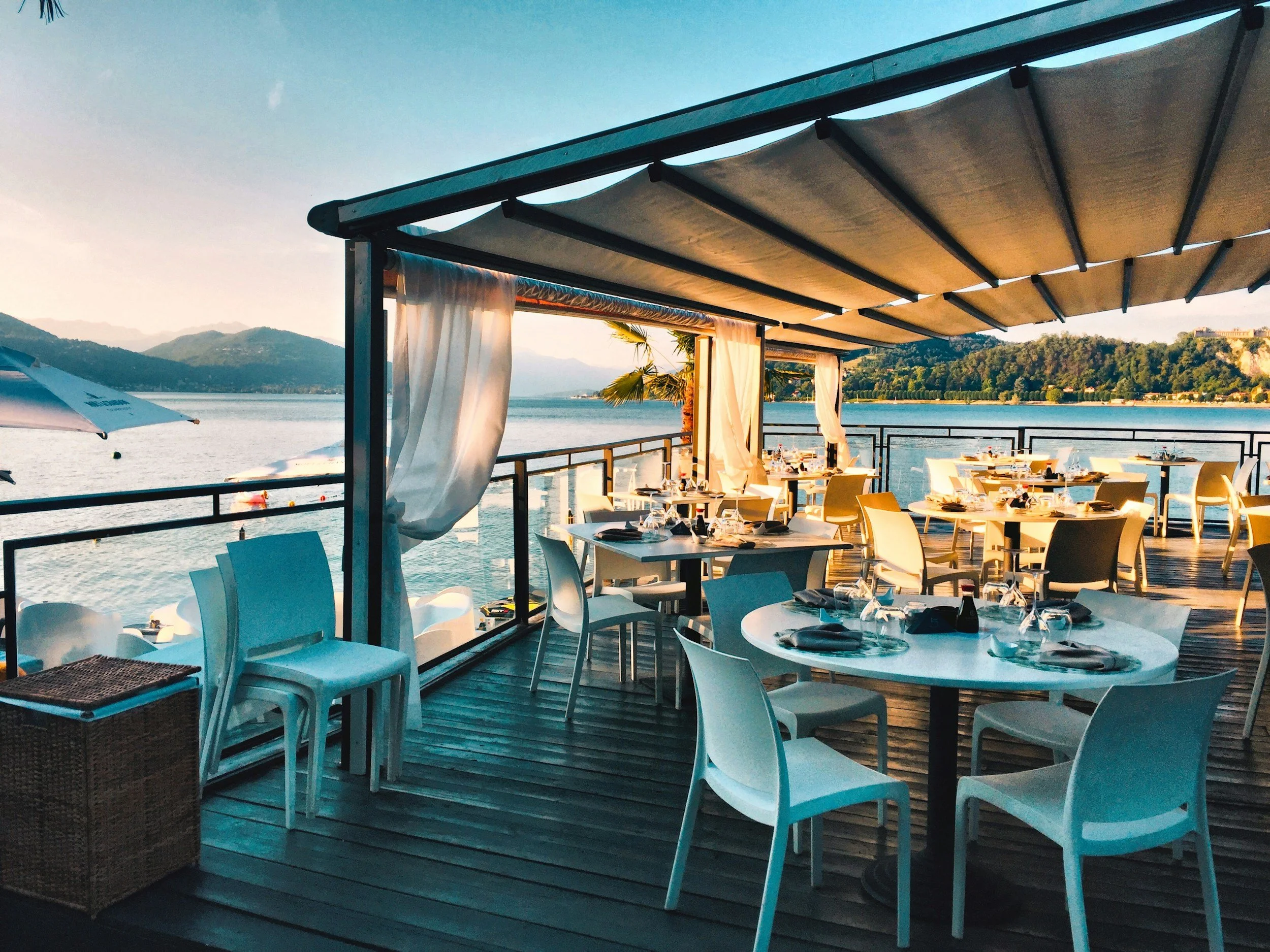
Food and beverage is one of the highest-margin revenue centers in any hotel. It is also one of the most commonly mispositioned when it comes to wellness. A standard mystery shop evaluates food quality and service speed, but a revenue-focused audit evaluates whether your F&B operation is commercially optimized for the wellness traveler.
We look for where wellness menu items appear and what language is used to describe them. We often see wellness items buried on the last page with apologetic language like "low calorie." Savvy operators use aspirational language like "chef's morning ritual" and implement robust alcohol-free cocktail programs. As guest expectations shift Beyond the Bed, your menus must reflect a deeper understanding of nourishment.
Revenue Math: Menu Engineering
Simple language changes on a menu can increase the order rate of high-margin items by fifteen to twenty-five percent. An alcohol-free cocktail program costs almost nothing to develop and signals that your property understands the modern traveler. A wellness minibar with curated items generates $15 to $30 per night in ancillary revenue from a very low product cost.
The In-Room Wellness Experience and Rate Parity
The guest room is where travelers spend the most time, yet it is where the gap between "we have wellness" and "we are a wellness property" is most obvious. Most "wellness rooms" we see are identical to standard rooms but include a rolled-up yoga mat in the closet.
We evaluate whether the sleep environment is truly optimized with circadian lighting and sound masking. These details are what allow you to move from selling rooms to selling outcomes. This shift is the foundation of The 2026 Hotel Blueprint. If you want to justify a premium rate, you must provide a genuinely differentiated experience.
Revenue Math: The Wellness Tier
A differentiated wellness room tier can command $50 to $75 above the standard rate. The incremental cost to deliver this experience is typically only $3 to $8 per night. On twenty designated rooms at sixty-five percent occupancy, the annual revenue impact ranges from $237,000 to $355,000. These figures are not theoretical calculations. They are the actual results for properties that have made the investment.
Closing the Shoulder-Season Programming Gap
Most independent hotels have the same strategy for slow months, which is to lower the rate and hope for the best. A revenue-focused audit asks what your property is doing to fill its calendar when demand naturally drops. We look for programmed wellness calendars and retreat partnerships that can sustain your business during off-peak times.
I recently wrote about why the guest experience breaks before reaching the guest in HOTELS Magazine. Often, the break happens because there is no strategy for consistency across seasons. A curated wellness retreat can command a premium price even when standard room demand is low.
Revenue Math: Retreat Profitability
A three-night wellness retreat during a quiet shoulder-season weekend can command $400 per night when the same room would have sold for $169 with a discount. A single retreat weekend with twenty-five guests generates $30,000 to $40,000 in total property revenue. Running four of these per year replaces up to $160,000 in revenue that would otherwise require aggressive and margin-killing discounting.
Your Next Steps Toward Strategic Revenue
Every finding in my Wellness ROI Audit comes with a specific dollar estimate. I do not just tell you to improve your check-in experience. I tell you exactly how much revenue you are losing and I provide a prioritized plan to capture it. I conduct every on-site mystery shop personally and I experience your property exactly as a traveler would.
If you are ready to stop leaving six figures on the table and start building a high-margin wellness revenue engine, let's talk. We can identify the hidden opportunities in your property and turn your guest experience into a measurable commercial advantage.
