
7 Commercial Secrets from the Top 1% of Hotels
What TripAdvisor’s 'Best of the Best' Reveals About the Future of Hospitality & Travel
Travel in 2026 is not just about where people go. It is about which hotels give guests a story they want to step into and a version of themselves they want to become.
That is exactly why so many traditional luxury properties are losing ground to more specific, more identity-driven brands. The commercial picture is clear: in a crowded market, broad luxury is easier to copy, while clear positioning is much harder to compete with.
TripAdvisor reports that its Travelers’ Choice Best of the Best award represents the top 1% of its 8 million listings, based on a high volume of exceptional reviews over a 12-month period. That matters for more than brand vanity. It gives hotel owners, asset managers, and operators a live market signal for what actually drives demand, advocacy, and pricing power. When you study winners like FivePine Lodge, Nayara Gardens, Bucuti & Tara Beach Resort, and Hotel Sporting, you do not just see lovely hotels. You see strategic winners building commercial moats through specificity, identity, and what guests experience as aliveness.
This is not a wellness ROI story. This is a hospitality commercial strategy story. It is about how the best boutique and independent hotels use guest clarity to improve ADR, strengthen direct demand, extend length of stay, and protect long-term asset value. If you think like a fractional sales leader, these properties are not soft inspiration. They are case studies in boutique hotel differentiation and modern hotel sales strategy.
Why Traditional Luxury Is Losing Its Pricing Edge
For decades, the hospitality industry used a familiar formula to justify premium rates: bigger rooms, more polished finishes, more formal service, more generic markers of luxury. Those elements still matter, but they no longer guarantee demand. Most of them can be copied. Most of them also fail to answer the commercial question that matters most: why should a guest choose your property over the next beautiful hotel with a spa, a bar, and decent photography?
The top 1% are winning because they are not selling vague luxury. They are selling a clear identity. That identity shapes who books, why they book, what they pay, and what they tell other people afterward. Specificity drives conversion because it reduces friction. It helps the right guest self-select faster, attach more meaning to the stay, and justify a higher rate without feeling like they are simply paying more for nicer finishes.
FivePine Lodge in Oregon is a strong example. Individual cabins in a forest setting, a quiet sense of retreat, and a guest experience anchored in space and restoration create a commercial advantage that a generic upscale hotel cannot easily replicate. They are not just selling inventory. They are selling a feeling with edges around it.
We consistently see this in the market. Properties with a sharp point of view tend to have stronger storytelling, better package design, more distinct rate value, and more resilient word of mouth. From a hotel sales strategy perspective, that translates into stronger positioning across OTAs, direct channels, email, social content, and on-property upsells. From an ownership perspective, it creates a more durable revenue engine.
7 Commercial Secrets from the Top 1%
Let’s unpack what these top-performing properties are doing differently. This is where hospitality commercial strategy becomes very real. The winners are not trying to satisfy everyone. They are building demand around a defined identity that shapes guest expectation, rate tolerance, and long-term brand memory.
1. They choose a clear identity instead of broad appeal
The fastest way to blur demand is to market a hotel as “luxury for everyone.” The top 1% do the opposite. They decide who they are, who they serve, and what emotional outcome defines the stay.
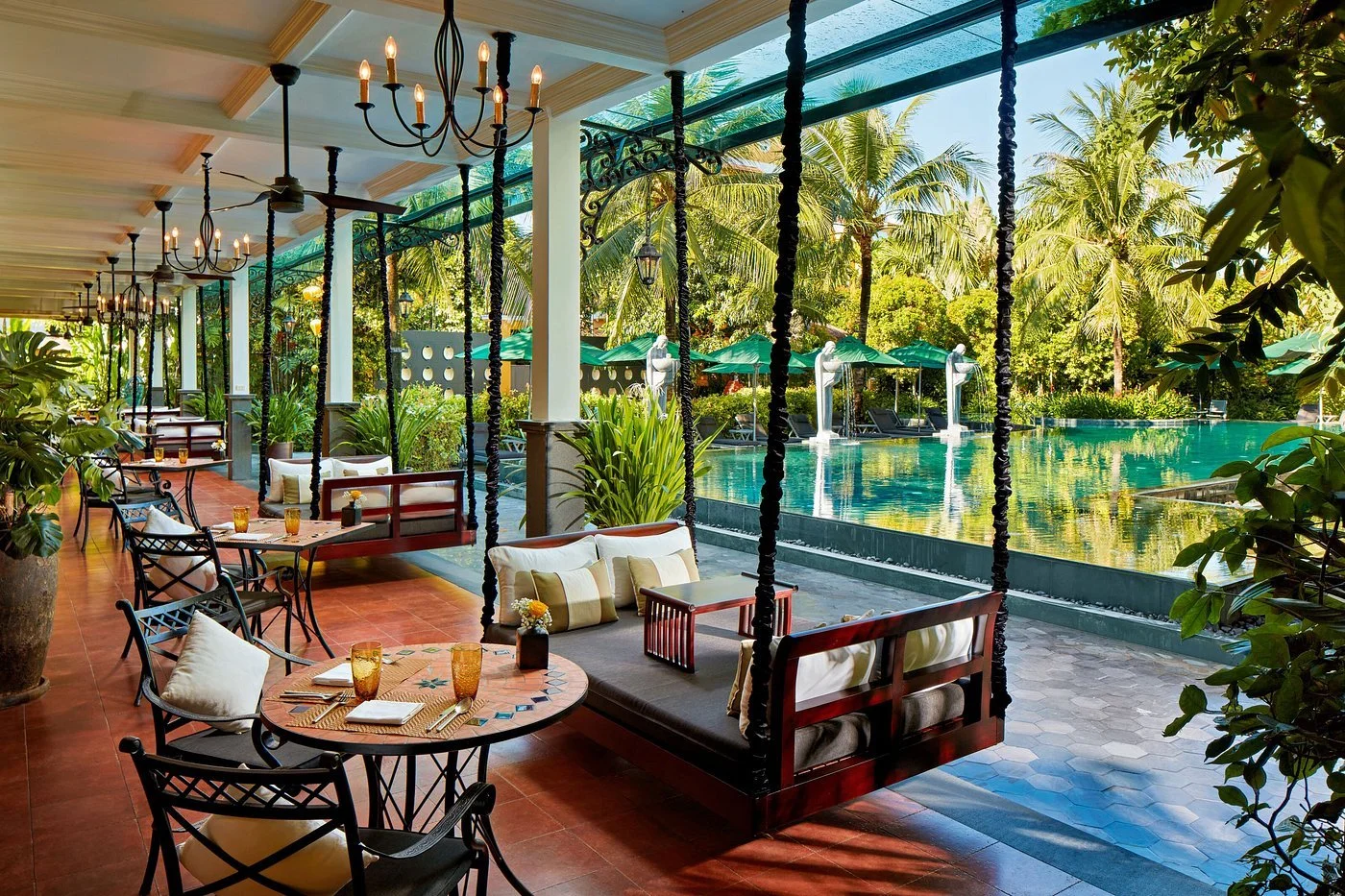
Bucuti & Tara Beach Resort in Aruba is a strong example. It is not positioned as just another Caribbean resort. Its adults-only, wellness-forward, sustainability-led identity creates clarity for couples seeking peace and reconnection. That clarity supports rate integrity because guests understand exactly what they are buying.
Commercial takeaway: The clearer your identity, the less you have to discount to explain your value.
2. They use specificity to justify ADR
Specificity is not a branding detail. It is a pricing tool. When a hotel offers a distinct combination of place, mood, guest type, and experience, it becomes harder to compare against a generic comp set.
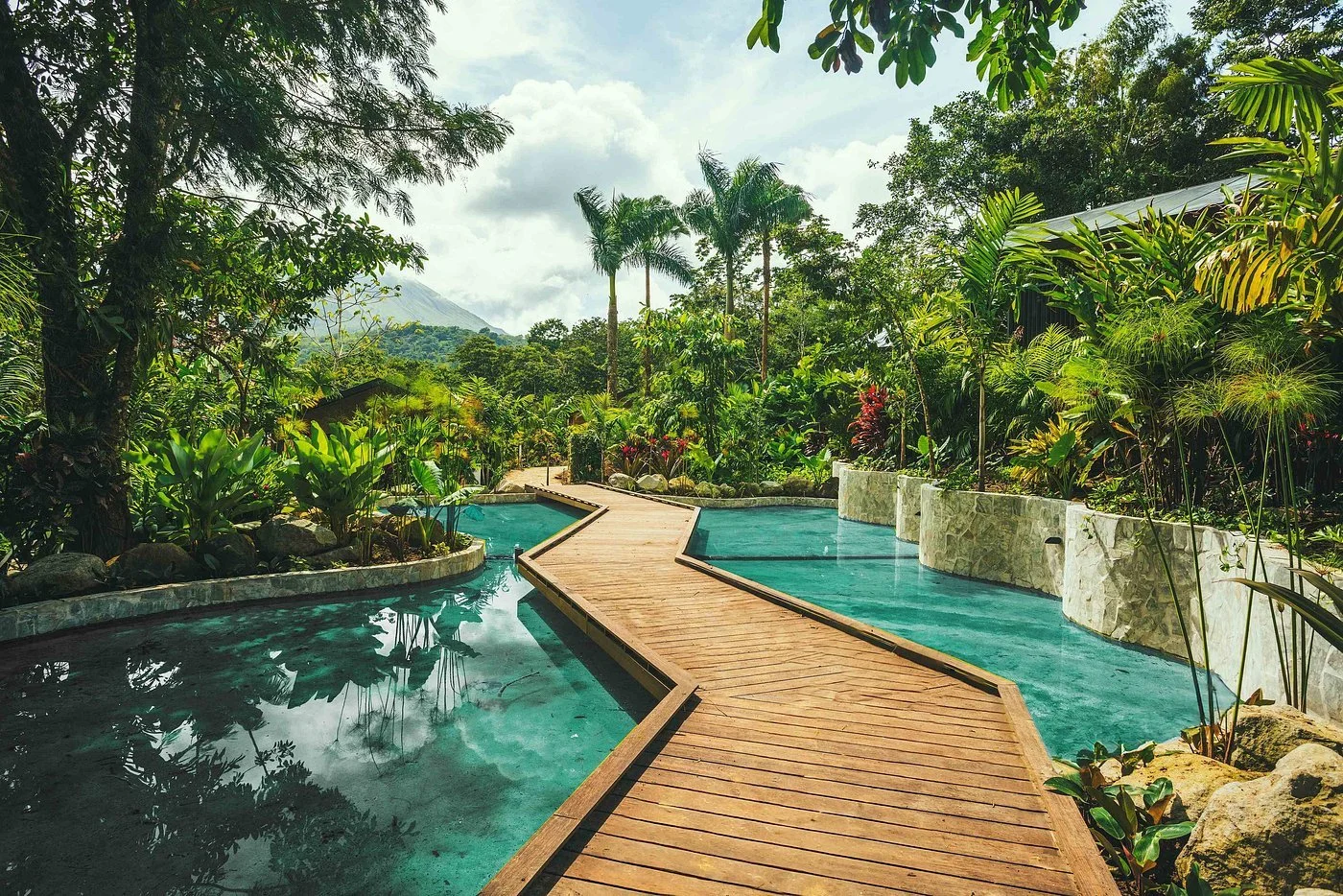
Nayara Gardens in Costa Rica does this well. The rainforest setting, the visual connection to Arenal, and the immersive natural rhythm create a stay that feels impossible to flatten into a standard luxury category. Guests are not simply booking a room. They are booking access to a living environment that feels rare.
Commercial takeaway: The more specific the experience, the more freedom you have to protect ADR.
3. They build sales moats around emotional outcomes
Most hotels still market inputs: room size, spa menu, breakfast, finishes. The strategic winners market outcomes: reconnection, restoration, adventure, intimacy, vitality, stillness. That is where emotional preference turns into commercial defensibility.
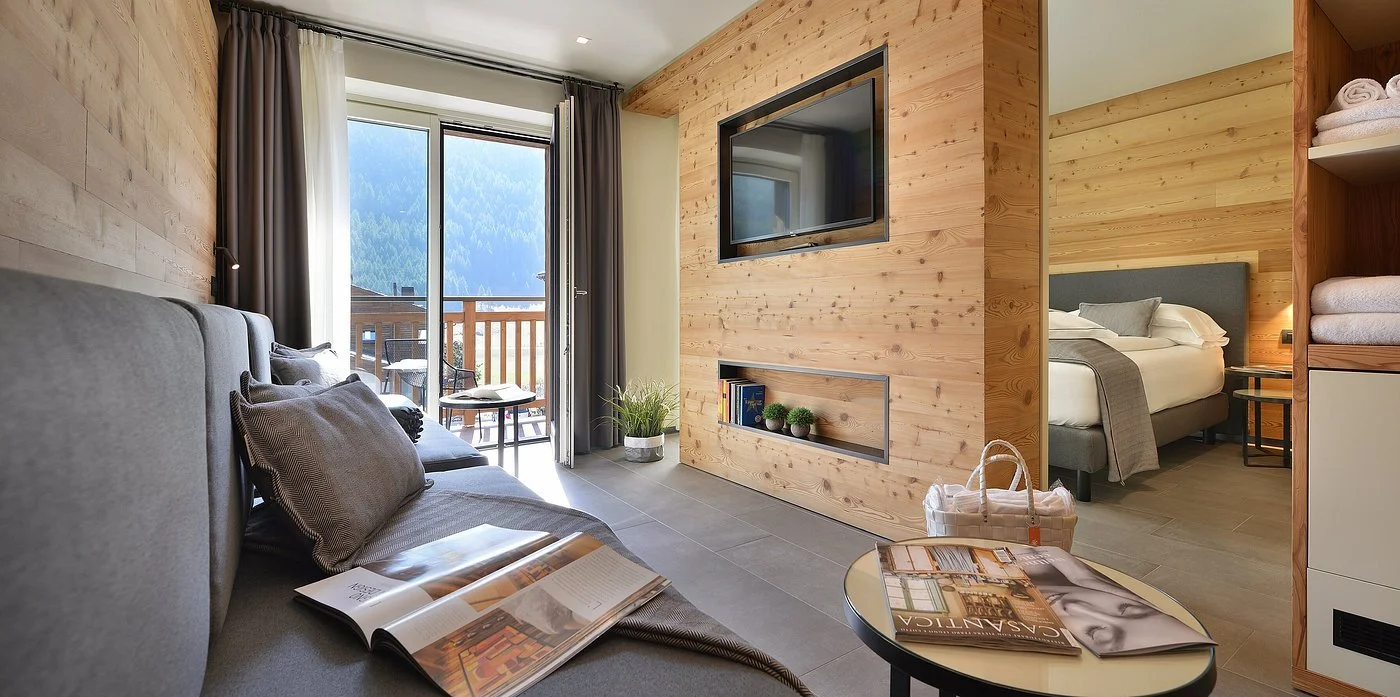
FivePine Lodge sells more than cabins. It sells exhale. Hotel Sporting in Livigno sells more than mountain access. It sells a complete alpine performance-and-recovery identity. These are different expressions of the same principle: guests pay more when the property promises a version of themselves they want to experience.
Commercial takeaway: A hotel with a clear emotional outcome is harder to commoditize.
4. They make the property feel alive
This is where the TripAdvisor winners become case studies in aliveness. Aliveness is not vague. It shows up in review language, photography, repeat behavior, and referral energy. Guests describe these places as memorable, grounding, energizing, intimate, or deeply restorative because the hotel feels like a full world, not a neutral container.
We often see that properties with this quality outperform on advocacy because guests can actually articulate what felt different. That matters. If a guest can describe the feeling clearly, your market can understand the value faster.
Commercial takeaway: Memorable feeling creates organic marketing efficiency.
5. They align operations with positioning
Strong positioning fails when operations tell a different story. The top hotels win because the experience and the promise match. If the brand says serenity, the arrival sequence, room design, soundscape, service rhythm, and F&B all reinforce serenity. If the brand says vitality, the programming, recovery touchpoints, and activity flow support that.
This is one of the biggest gaps we see in audits. Many hotels have attractive concepts but inconsistent execution. The market notices. Review velocity and conversion usually tell the truth faster than internal brand decks do.
Commercial takeaway: Brand consistency protects revenue because it reduces guest disappointment and strengthens review quality.
6. They create demand that travels across channels
A sharply positioned hotel performs better everywhere. It is easier to sell on OTAs, easier to convert on your website, easier to package for email campaigns, and easier to pitch through partnerships. This is where boutique hotel differentiation becomes more than messaging. It becomes a channel strategy.
When a property has a distinct identity, every sales touchpoint gets stronger:
OTA listings become more compelling because the stay is easier to understand.
Direct booking pages convert better because the value story is more vivid.
Packages feel more premium because they are tied to a specific outcome.
PR and influencer interest increase because the concept is easier to talk about.
Commercial takeaway: Clear identity improves performance beyond the room page.
7. They think like owners, not just hoteliers
The best commercial decisions do not stop at aesthetics. They impact EBITDA, demand mix, guest lifetime value, and ultimately asset value. This is where the fractional sales leader lens matters. You are not just asking whether a concept is beautiful. You are asking whether it builds a stronger business.
A differentiated hotel is often better positioned to:
maintain rate discipline during softer periods
attract higher-value guests with stronger ancillary spend
create packages that lift length of stay
reduce overreliance on discounting
support a more defendable market position over time
Commercial takeaway: Differentiation is not decoration. It is an asset strategy.
What This Means for Your P&L
If you are an owner, asset manager, or operator, the lesson here is straightforward. The market is rewarding hotels that know who they are. Specificity improves conversion. Identity supports ADR. Clear emotional outcomes strengthen reviews, referral behavior, and direct demand. All of that compounds through the P&L.
This is why a fractional sales leader approach matters. You need someone looking across positioning, revenue opportunities, package design, channel strategy, and guest journey with one question in mind: what makes this property commercially harder to replace?
The winners on TripAdvisor are not just beloved because they are beautiful. They are beloved because they are strategically distinct. In a market full of polished sameness, that distinction is what protects margin.
Where Owners Are Leaving Money on the Table
Many hotels sit in the uncomfortable middle. They have invested in design, amenities, and service standards, but they still struggle to stand out. They look expensive, but they do not feel distinct. That gap is where margin gets lost.
This is where we often come in as a strategic partner with a fractional sales leader lens. We help hotels move from generic luxury positioning to sharper hotel sales strategy built around demand drivers, commercial storytelling, and differentiated guest value. The goal is not to add fluff. The goal is to build a stronger revenue narrative that the market can understand and pay for.
Commercial Opportunities We Often See
In our reviews of boutique and independent properties, we consistently find a few recurring missed opportunities:
Weak differentiation on the booking path: The hotel is special in person, but the website and OTA presence make it look interchangeable.
Generic package naming: Offers exist, but they are too bland to create urgency or emotional pull.
Disconnected on-property experience: The brand promise is strong, but arrival, rooms, service flow, or amenities do not reinforce it.
No sales moat language: Teams talk about amenities, not why those amenities create preference, loyalty, or pricing power.
Undervalued identity assets: The very elements that could justify premium rates are treated as background instead of lead demand drivers.
The Bottom Line for Hotel Owners and Asset Managers
The TripAdvisor Best of the Best list is more than consumer applause. It is a commercial signal. The top 1% are proving that the future does not belong to hotels that look expensive. It belongs to hotels that feel distinct, communicate a clear identity, and create demand that is hard to copy.
If your property is still relying on traditional luxury cues alone, the question is not whether those signals matter. The question is whether they are enough to defend ADR, strengthen your market position, and support long-term asset value. In many cases, they are not.
The winners mentioned here, from Nayara Gardens to Bucuti & Tara Beach Resort to FivePine Lodge and Hotel Sporting, are strategic winners because they have built something more powerful than a pretty product. They have built preference.
If you are repositioning a boutique hotel, refining your hospitality commercial strategy, or looking for a sharper hotel sales strategy that translates brand differentiation into revenue performance, this is exactly the work we do. We help owners and operators identify the sales moat already inside the property and turn it into clearer demand, stronger packages, and better commercial outcomes.
