The Immersion Imperative: Capitalizing on Tripadvisor's 2026 Mid-Year Experiential Boom
Tripadvisor’s 2026 Mid-Year Experiences Trends Report, covering bookings from January 1 through June 30, confirms a decisive shift from passive sightseeing to active participation. The era of “viewing” a destination is being eclipsed by the era of “inhabiting” it.
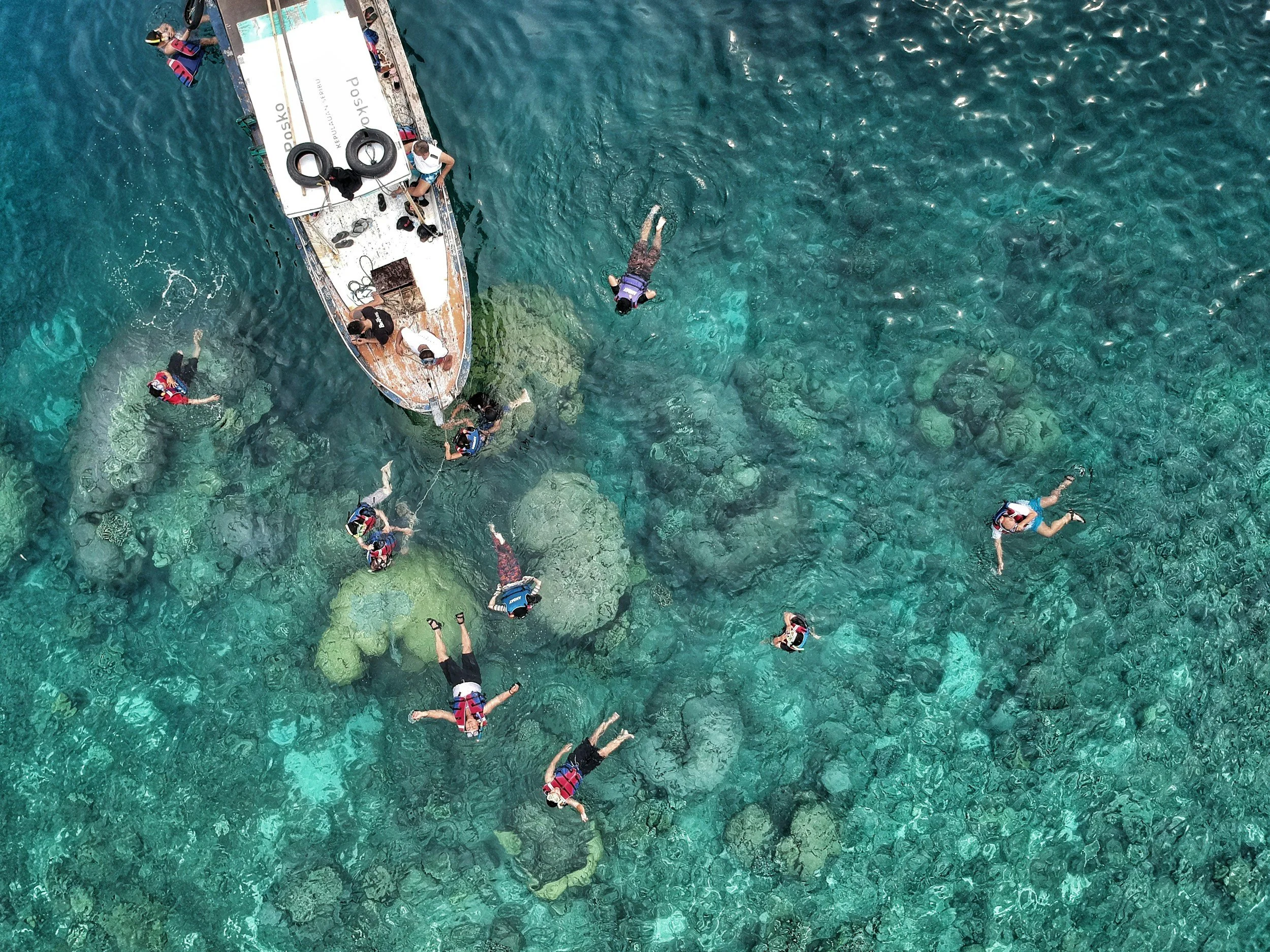
For hotel owners and operators, immersion is no longer a marketing buzzword. It is a strategic imperative for brand differentiation, ancillary revenue, and guest loyalty. In an increasingly commoditized market, travelers are choosing properties that facilitate personal, skill-based, and memorable milestones.
The “so what?” for the C-suite is clear: traditional hotel service models designed for the passive observer are facing obsolescence. Your property must evolve from being a provider of lodging into a curator of experience.
This is the mid-year data companion to our analysis of Tripadvisor’s Best of the Best hotels and the Aliveness Factor. The picture is clear. Guests do not simply want to visit a destination. They want to participate in it.
Hands-On Culture: Transforming the Guest from Observer to Artisan
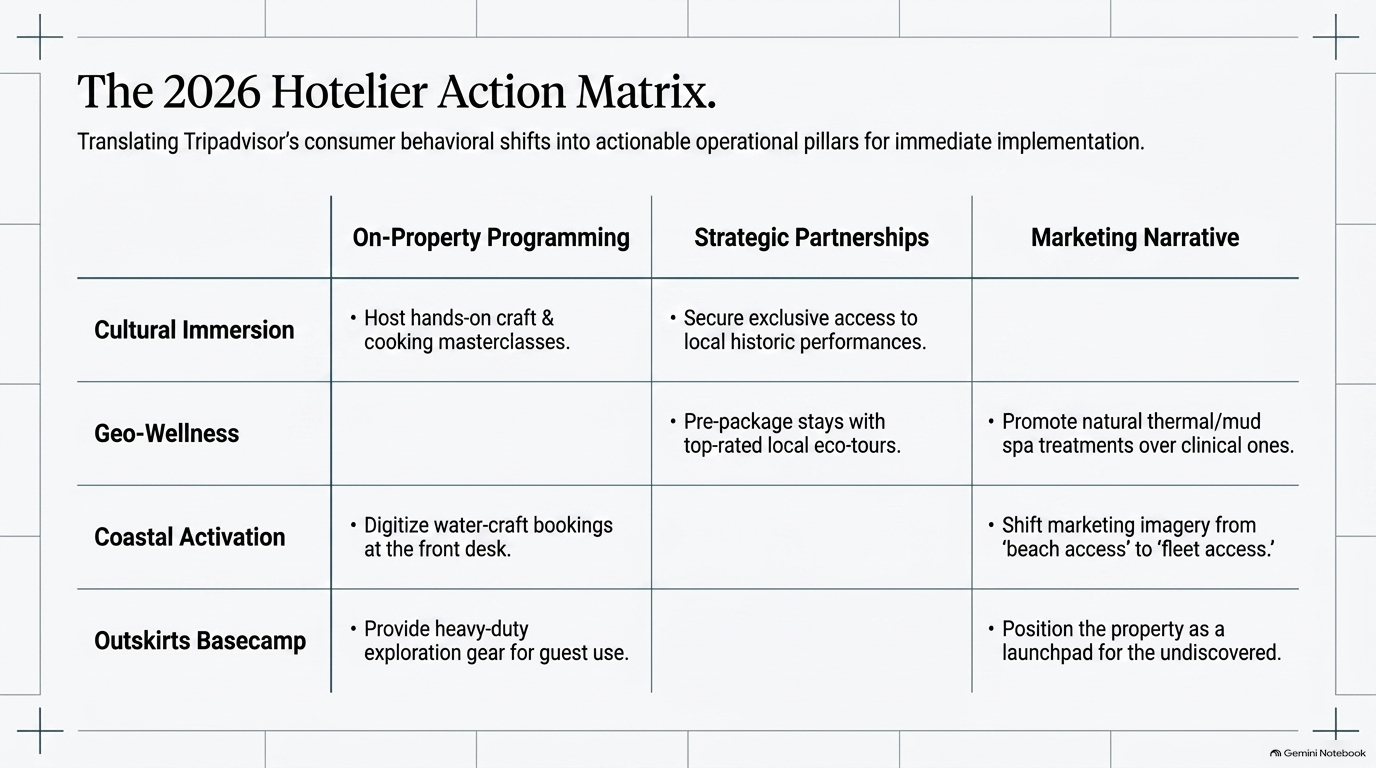
High-touch cultural programming across crafts, culinary arts, and dance has emerged as a critical driver of guest satisfaction. These categories are consistently securing ratings above 4.8 out of 5, indicating that guests derive significant value from mastering a local skill rather than simply consuming a luxury amenity.

The trend breakdown
The global surge in craft classes reached 88%, signaling a profound desire for tangible connection. This trend is particularly strong among North American travelers. Bookings for Japanese craft classes by U.S. travelers increased by 300 percent, now accounting for one in five craft classes booked globally.
Performance-based immersion is also rising. Concerts and special events grew by 87 percent as travelers sought a window into local history and identity through experiences such as Fado in Portugal and Flamenco in Spain.
Revenue ideas for hotels
Launch maker-in-residence programs: Convert an underutilized lobby, lounge, or courtyard into an active studio for local artisans.
Create curated performance venues: Host ticketed, history-driven performances that turn your hotel into a cultural destination for guests and local residents.
Monetize arrival and departure gaps: Offer high-rated artisan sessions during the period between checkout and evening service, when public spaces and staff capacity are often underutilized.
These programs are not simply entertainment. They are high-margin ancillary revenue streams that can increase spend per guest while strengthening your digital reputation.
In our audits, we often see hotels overlooking square footage that could support bookable experiences with modest capital investment. A ceramics workshop, textile session, or chef-led cultural class can generate revenue from the same space that otherwise sits empty for much of the day.
The opportunity is not to add more amenities. It is to create more reasons for guests to participate.
The Natural Wellness Pivot: Beyond the Traditional Spa
Wellness travel has matured beyond the four walls of a treatment room. In 2026, nature has moved from backdrop to main attraction. Guests are prioritizing environments where wellness is integrated into the physical geography of the destination.
Day spa experiences grew by 45% but that growth is heavily weighted toward outdoor-integrated offerings. Travelers are showing increasing interest in natural thermal spas, mud baths, geothermal pools, eco-tours, and water-based experiences.
In New Zealand, day spa bookings more than doubled. Eco-tours grew by 62% globally and 83% in the United States. Fishing charters increased by 41 percent, while ski and snow experiences rose by 42% in the U.S.
This is where the post-spa era somatic suite thesis becomes commercially relevant. The shift is not away from wellness. It is away from expensive, isolated, clinical wellness formats that do not necessarily improve utilization or guest value.
Natural wellness opportunities for hotel operators
The commercial advantage is equally important. Nature-based wellness often requires less CAPex than a medical-grade spa with specialized equipment and clinical staffing. Bioluminescent kayaking in Vieques, up 69%, and thermal pool programming can create premium bookable experiences using the destination’s existing assets.
We consistently find that the strongest natural wellness concepts connect guest behavior to place. A coastal hotel can build around blue wellness. A rural property can offer guided forest immersion or farm-based recovery. A mountain lodge can pair snow activities with contrast therapy and restorative movement.
For a deeper look at how recovery programming can become a revenue engine, explore our commercial playbook for nervous system regulation in hospitality.
The Coastal Surge: Commanding the Waterfront
In the first half of 2026, the U.S. coastline was the epicenter of experiential growth. However, the data reveals a critical distinction: guests are no longer satisfied with being near the water. They want to be in it.
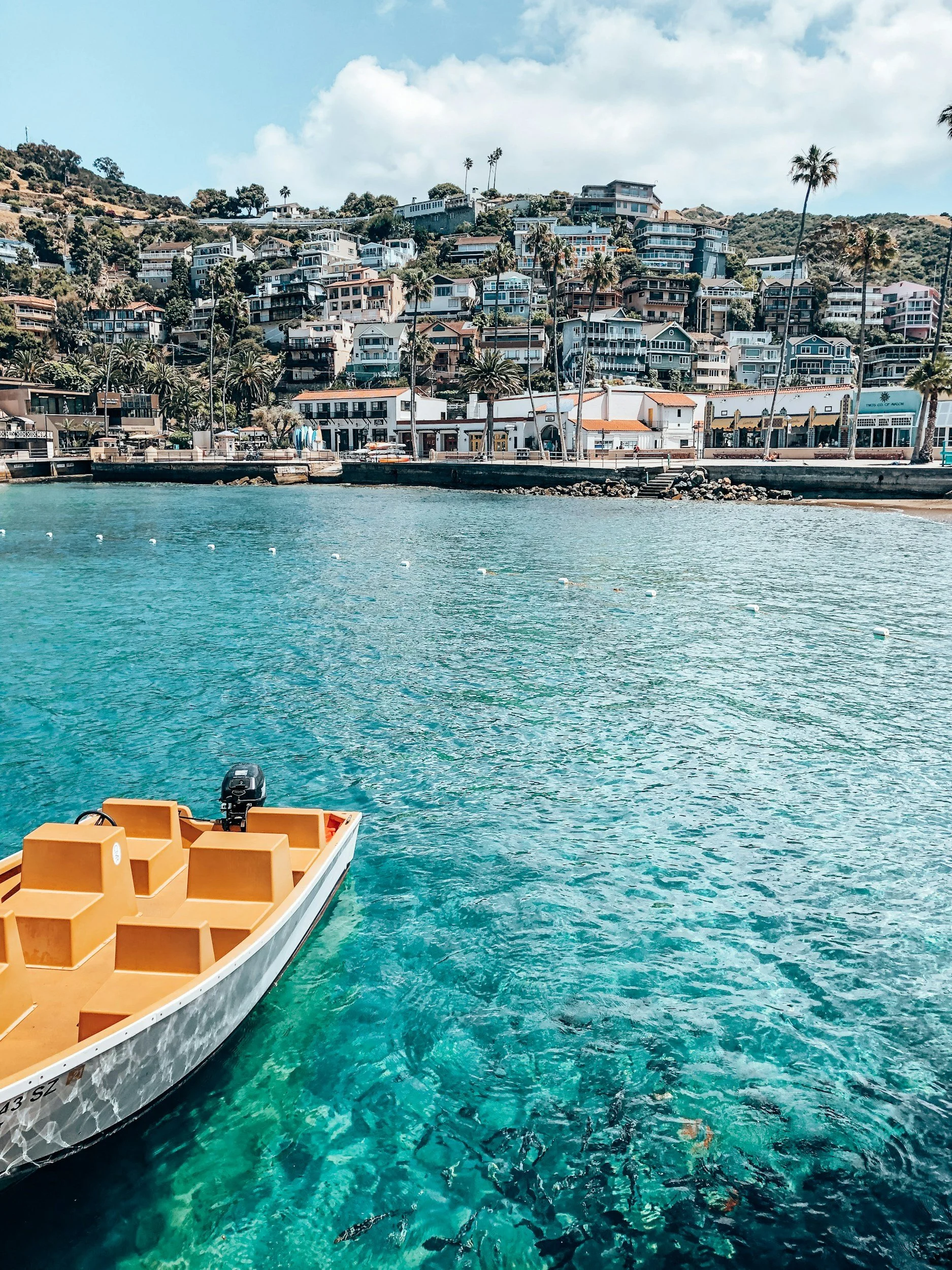
Growth hotspots included:
Catalina Island: 383%
La Jolla: 67%
Newport Beach: 64%
Myrtle Beach: 54%
Panama City Beach: 50%
Destin: 49%
Activity demand is moving toward higher-intensity water adventures. Submarine tours saw a 111% increase in the United States, complemented by growth in fishing charters at 57%, parasailing at 45%, and boat rentals at 37%
Revenue ideas for coastal properties
Build a submarine concierge: Form exclusive partnerships with deep-sea operators and package private expeditions for hotel guests.
Design adventure-led wellness retreats: Pair shark diving, ziplining, or parasailing with recovery treatments, mobility sessions, and restorative sleep programming.
Create branded in-water assets: Offer hotel-branded boat rentals or charter access instead of sending guests to disconnected third-party operators.
This is where adventure and recovery hospitality can work together. High-adrenaline activities create a strong emotional peak, while breathwork, hydrotherapy, or quiet dining provide the downshift afterward.
The commercial opportunity is not to make every stay extreme. It is to design a clear guest journey from activation to restoration. Our nervous system regulation framework provides a useful foundation for integrating these contrasting experiences into a coherent stay.
Hotels in coastal hubs must move beyond selling beach access. The winning properties will facilitate memorable participation while maintaining control over the full guest journey.
The Rise of the Off-Beat Destination
A defining characteristic of the 2026 experiential travel market is the flight from the familiar. Destinations outside the top 100 most-booked locations are growing more than twice as fast as traditional hotspots.
For the modern traveler, secondary increasingly means exclusive.
Central America and the Caribbean are among the primary beneficiaries of this shift:
Guatemala: 74%
St. Maarten: 57%
Honduras: 49%
Cayman Islands: 45%
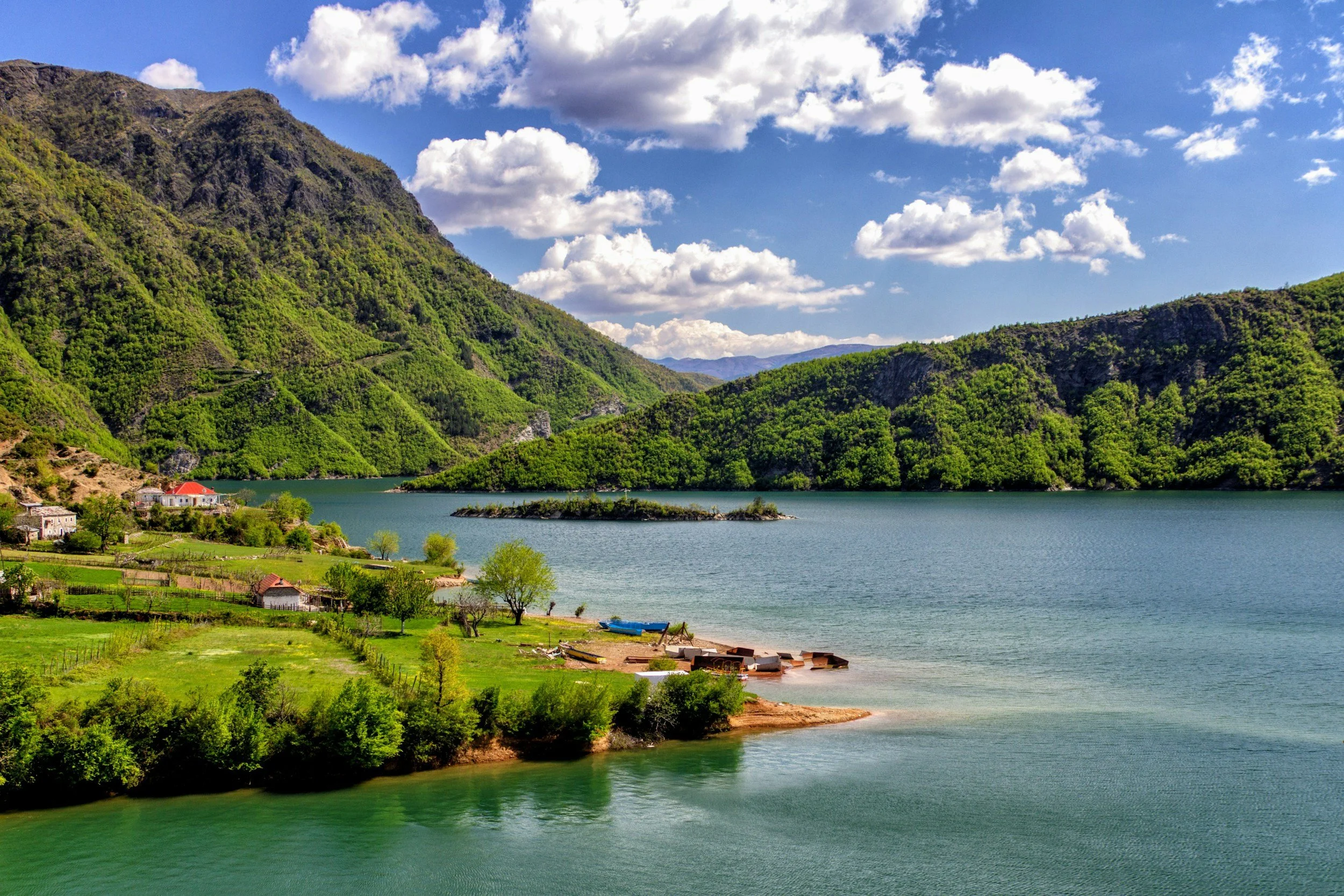
Albania: 60%
Albania has emerged as one of Europe’s standout destinations, supported by its dramatic coastline and relative sense of discovery.
Strategies for secondary markets
Offer exclusive archaeological access: In Guatemala, curate private visits to ancient ruins that prioritize solitude over spectacle.
Build rugged coastline programming: In Albania, position your property as the gateway to an untouched frontier through hiking, coastal excursions, and local food experiences.
Market the luxury of seclusion: Frame secondary status as a reprieve from overtourism and overexposure.
The competitive advantage of secondary markets lies in the scarcity of the experience. Ancient ruins, dramatic coastlines, and lesser-known cultural traditions offer a thematic hook that saturated destinations can no longer provide.
If your hotel operates in a shoulder-season destination, this trend also creates an opportunity to package participation across the calendar. A property can use nature-led programming, local workshops, and small-group retreats to extend demand beyond peak periods.
The off-beat is becoming the new ultra-luxury because access, authenticity, and space are increasingly difficult to find.
Winning the 2026 Mid-Year Market
The immersion imperative dictates that the hospitality winners of 2026 will facilitate participation over observation.
Whether it is the 88% growth in craft classes, the 111% surge in submarine exploration, or the more than two-times-faster growth of secondary destinations, the traveler wants to be the artisan, the adventurer, and the discoverer.
Here is your implementation checklist:
Audit experience itineraries: Ensure at least 20 percent of guest itineraries involve direct, hands-on interaction with a local artisan, guide, or expert.
Review vendor contracts: Prioritize high-rated adventure categories such as shark diving, eco-tours, fishing, and water-based excursions.
Convert underused space: Identify lobby, garden, terrace, and lounge areas that can become artisan workshops, natural wellness zones, or field-concierge hubs.
Position secondary markets intentionally: If your property is located in a rising destination such as Albania or Guatemala, lead with “The Luxury of the Undiscovered” rather than proximity to traditional landmarks.
Measure commercial performance: Track ancillary spend, experience attachment rate, length of stay, direct bookings, guest review language, and repeat visitation.
The trips that define 2026 are not measured by a checklist of sights. They are measured by the skills learned, boundaries pushed, and stories guests can take home.
For hotel owners and operators, the opportunity is to become the platform where those moments are built.
At Elevate Hospitality Collective, we help boutique hotels, retreat centers, and independent hospitality brands design wellness-led programming and signature experiences that strengthen differentiation and drive commercial performance. If you are ready to identify the experiences your property can credibly own, we can help you turn underused assets into bookable, memorable revenue drivers.
The question is no longer whether guests want immersion. The question is: what will your property help them become?
