Looking for a yoga retreat venue for your next teacher-led group? This guide explores 25 destination and venue ideas for yoga retreat leaders, from private villas and coastal lodges to countryside estates. Compare settings for your group size, practice style, budget, and travel needs. If your retreat is slow to fill, the venue may be part of the story. A compelling destination helps, but it cannot compensate for a room that echoes, a practice space that feels improvised, or a price that asks guests to guess what they are getting.
There is demand. In BookRetreats’ State of Retreats 2026 report, 64% of surveyed U.S. adults interested in retreat travel said they had a retreat planned in the next 12 months. Retreats ranked first among the listed planned wellness spends: 49% expected to spend on one, ahead of spa treatments at 45% and supplements at 44%. Among past retreat attendees, 51% said the experience improved their mental and emotional wellbeing.
That is a signal, not a guarantee of sales. The offer still has to fit the audience, the season, and the budget.
How to choose a yoga retreat venue for your group
The 25 ideas below are venue types and destination leads, not claims of current availability. Except where a specific property is named, the group-size ranges are suggested selling targets, not verified room counts. Confirm capacity, dates, rates, and terms directly before promoting a retreat.
A venue becomes easier to sell when it answers four practical questions:
Can guests practice well? Check usable floor area, ventilation, mats and props, acoustics, natural light, and a weather backup.
Can the group eat well? Ask about dietary flexibility, meal timing, beverage service, and whether food is included or charged through a minimum spend.
Can the price be explained? Build your per-person rate from the room block or buyout, meals, transfers, facilitator costs, activities, taxes, payment fees, contingency, and margin.
Can the timing improve the economics? Ask about shoulder dates, minimum nights, deposits, cancellation terms, and whether weekday or off-peak dates change the rate card.
Coastal yoga retreat venue ideas
01 / Colombia’s Caribbean coast: eco-luxury retreat center
For yoga paired with swimming, nature, and time offline. Aim for 8–16 guests. Brisa Bahía lists exclusive use, a beachfront shala, chef-prepared meals, and accommodation for groups of 6–24. Lead with privacy and full-board ease; confirm seasonal rates and transfers.
02 / Santorini: resort-based yoga retreat
For a premium, teacher-led program with spa time and island excursions. Plan for 8–14 guests. Sandblu’s 2026 Ashtanga retreat shows how a named teacher, defined schedule, and inclusive package can support premium positioning. Its published September 2026 dates have passed; check future availability.
03 / Portugal’s Atlantic coast, surf-and-yoga lodge
For active beginners and mixed-level groups. Target 8–12 guests. Sell the combination (practice, surf lessons, and unstructured coastal time) not yoga alone. Spring and autumn may offer a softer price point than peak summer; verify surf conditions and weather backups.
04 / California coast: small coastal inn
For a short reset that is easier to reach than an international trip. Target 8–14 guests. Market local produce, ocean walks, and a clear three- or four-night itinerary. Weekdays or cooler shoulder months may help moderate the total cost.
05 / Maine coast: intimate waterfront lodge
For restorative practice, writing, and quiet nature time. Target 8–12 guests. The appeal is stillness, not an overfilled activity schedule. Consider late spring or early fall, then confirm seasonal operations, meal service, and transport before setting a price.
Mountain and desert yoga retreat venues
06 / Sedona: desert retreat lodge
For meditation, gentle movement, and guided hikes. Target 8–14 guests. Lead with wide-open scenery and a restorative pace. Spring and fall are popular; compare weekday or summer rates and plan for shade, heat, and indoor practice space.
07 / Taos: adobe guesthouse or private estate
For small groups seeking culture, landscape, and slower mornings. Target 8–12 guests. A regional food or arts element gives the program a sharper identity. Consider spring or fall shoulder dates and confirm how meals and transfers work.
08 / Lake Atitlán, Guatemala: hillside retreat venue
For a practice-led retreat with cultural activities and dramatic lake-and-volcano scenery. Target 10–16 guests. This Lake Atitlán venue listing describes three shalas and packages for small and larger groups. Explain the arrival journey clearly; the venue notes a hike up from the lake.
09 / Morocco’s Atlas foothills: riad or lodge
For yoga alongside guided walks, local food, and cultural immersion. Target 8–12 guests. Sell the contrast between quiet practice and active exploration. Spring and fall can suit outdoor programming; vet transfers, guide credentials, and the actual sound environment.
10 / Nepal’s foothills: mountain lodge
For experienced travelers who want yoga with walking and time in nature. Target 8–12 guests. Keep the promise grounded: this is not a wellness resort unless the services support that claim. Confirm altitude, accessibility, medical planning, and seasonal route conditions.
European countryside estates for yoga retreats
11 / Tuscany: agriturismo or country estate
For yoga, regional meals, and a small-group stay. Target 8–14 guests. A cooking session or vineyard visit can make the itinerary distinctive. Ask about exclusive use, meal minimums, and spring or autumn rates.
12 / Alentejo, Portugal: rural estate
For restorative retreats with space to read, walk, and practice outdoors. Target 8–12 guests. Lead with room to exhale rather than a packed schedule. Confirm the indoor shala, dining flexibility, and transport from the nearest airport.
13 / Mallorca: countryside finca
For yoga paired with hiking, cycling, or coastal excursions. Target 8–14 guests. Shoulder-season dates can support a lower price than peak summer while keeping the island appeal. Check the distance between the property, practice space, and activities.
14 / Slovenia: alpine lake lodge
For gentle movement, outdoor time, and a quieter European alternative. Target 8–12 guests. The booking angle is nature without a high-intensity itinerary. Verify access, seasonal services, and an indoor practice option before taking deposits.
15 / Croatia’s islands: private villa or small hotel
For a group that wants sea access, shared meals, and a contained setting. Target 8–14 guests. May or September can be worth pricing against high summer. Confirm ferry schedules, room configurations, and whether the practice space is exclusive.
Tropical villas and lodges for yoga retreats
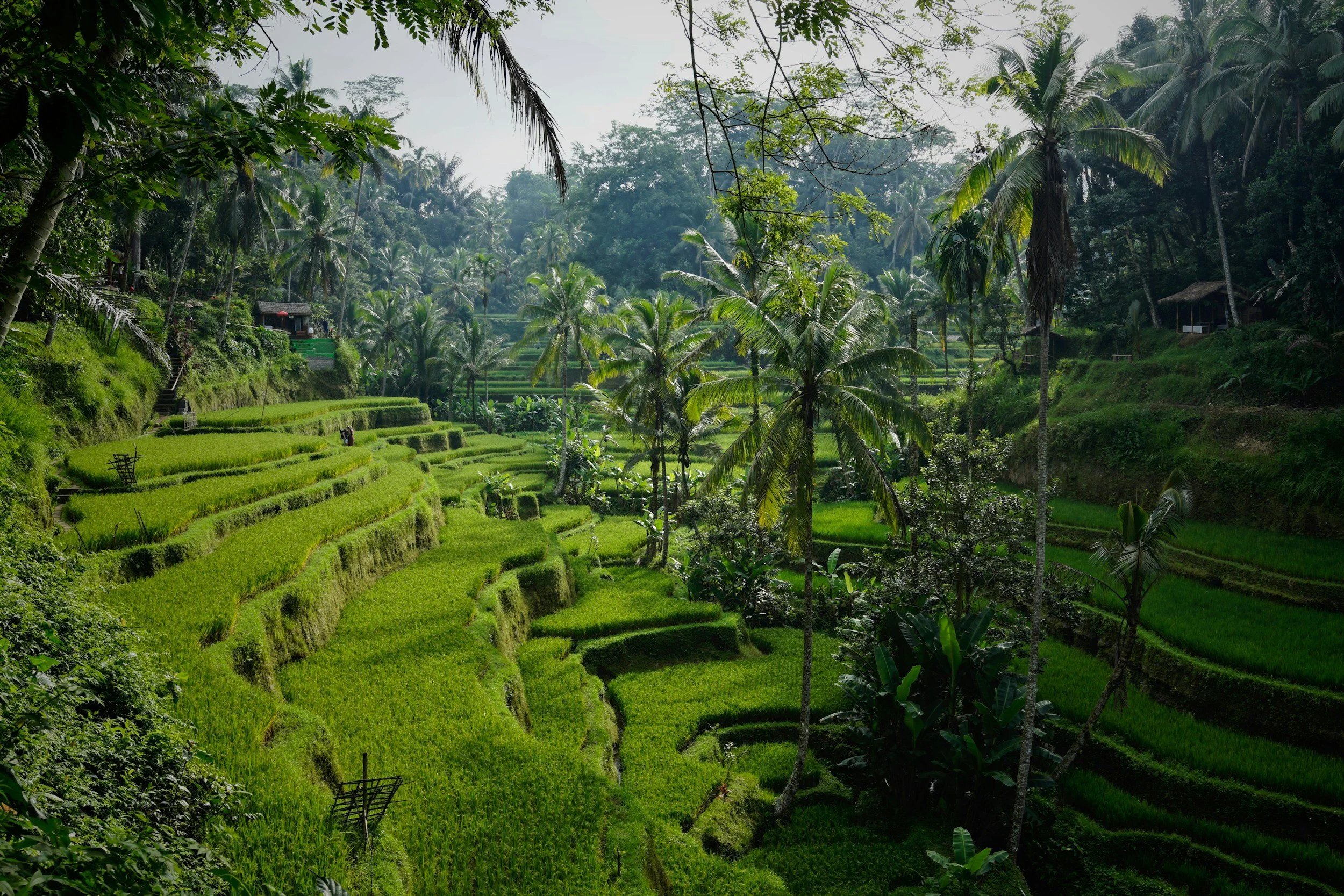
16 / Ubud, Bali: private villa or small resort
For yoga, spa treatments, and cultural excursions. Target 8–12 guests. Market the balance of structured practice and time to explore. Make transfers, meals, and any included treatments explicit; a clear package reduces price uncertainty.
17 / Riviera Maya, Mexico: jungle estate with a shala
For yoga, sound, or somatic work with a strong sense of place. Target 8–16 guests. Onze Xpuha is listed as a private estate with a yoga shala and cenote. Confirm the current overnight capacity, meal arrangements, dates, and terms directly.
18 / Costa Rica’s Pacific coast: eco-lodge
For yoga combined with surfing, wildlife, or nature walks. Target 8–12 guests. Sell the experience around the practice, and be transparent about transport and weather. Check seasonal conditions, cancellation language, and what the quoted rate actually includes.
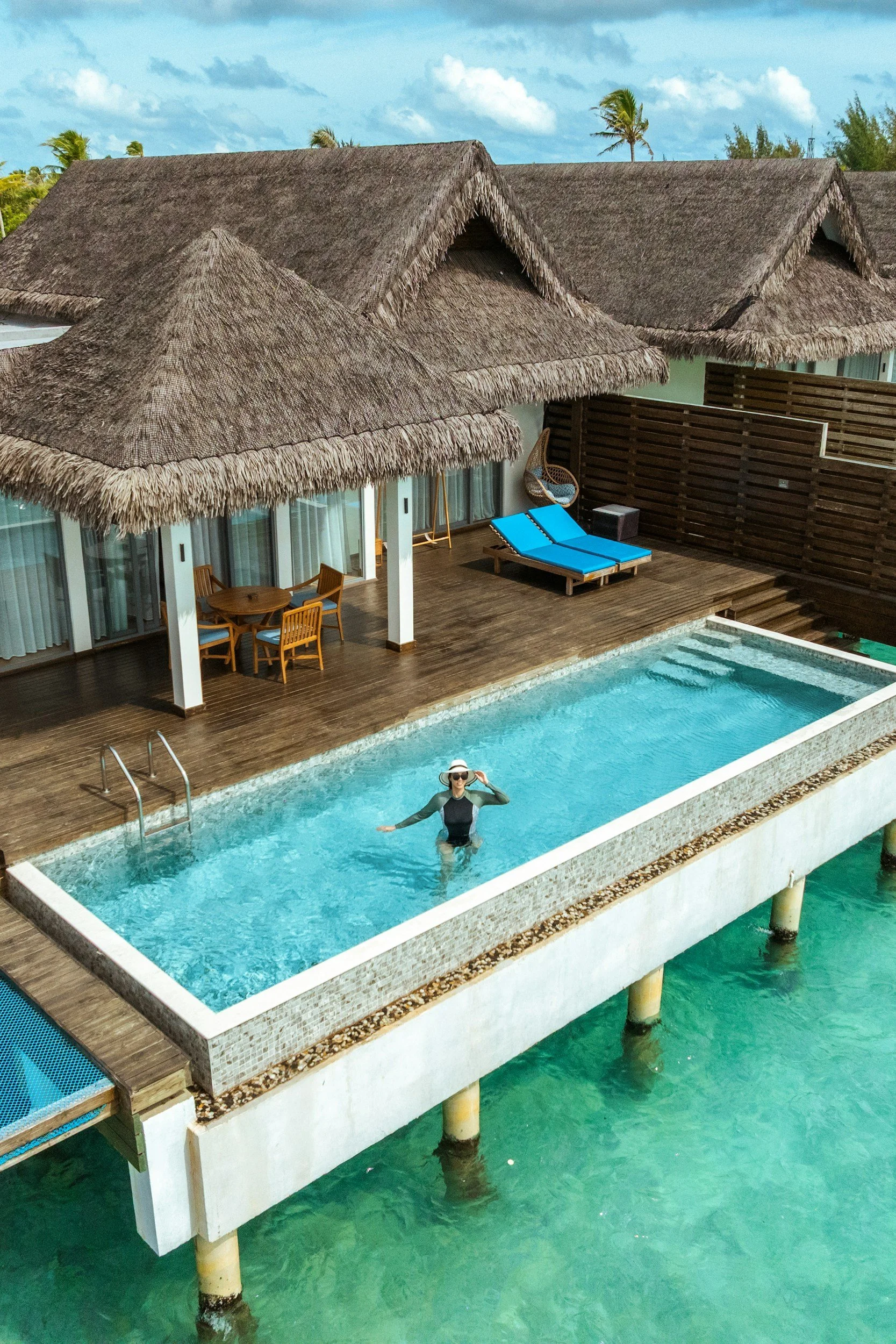
19 / Koh Samui, Thailand: private pool villa
For a small group seeking warm-weather practice and a private setting. Target 8–12 guests. A villa can feel intimate without requiring a large group, but chef service and practice setup need vetting. Price transfers and meals separately if they are not included.
20 / Sri Lanka’s south coast: boutique villa or surf lodge
For yoga with coastal exploration and optional surf. Target 8–12 guests. A shoulder-season program can offer a different value proposition than peak dates. Confirm regional weather patterns, reliable transport, and the venue’s meal flexibility.
U.S. yoga retreat venue ideas
21 / Hudson Valley or Catskills: design-led inn
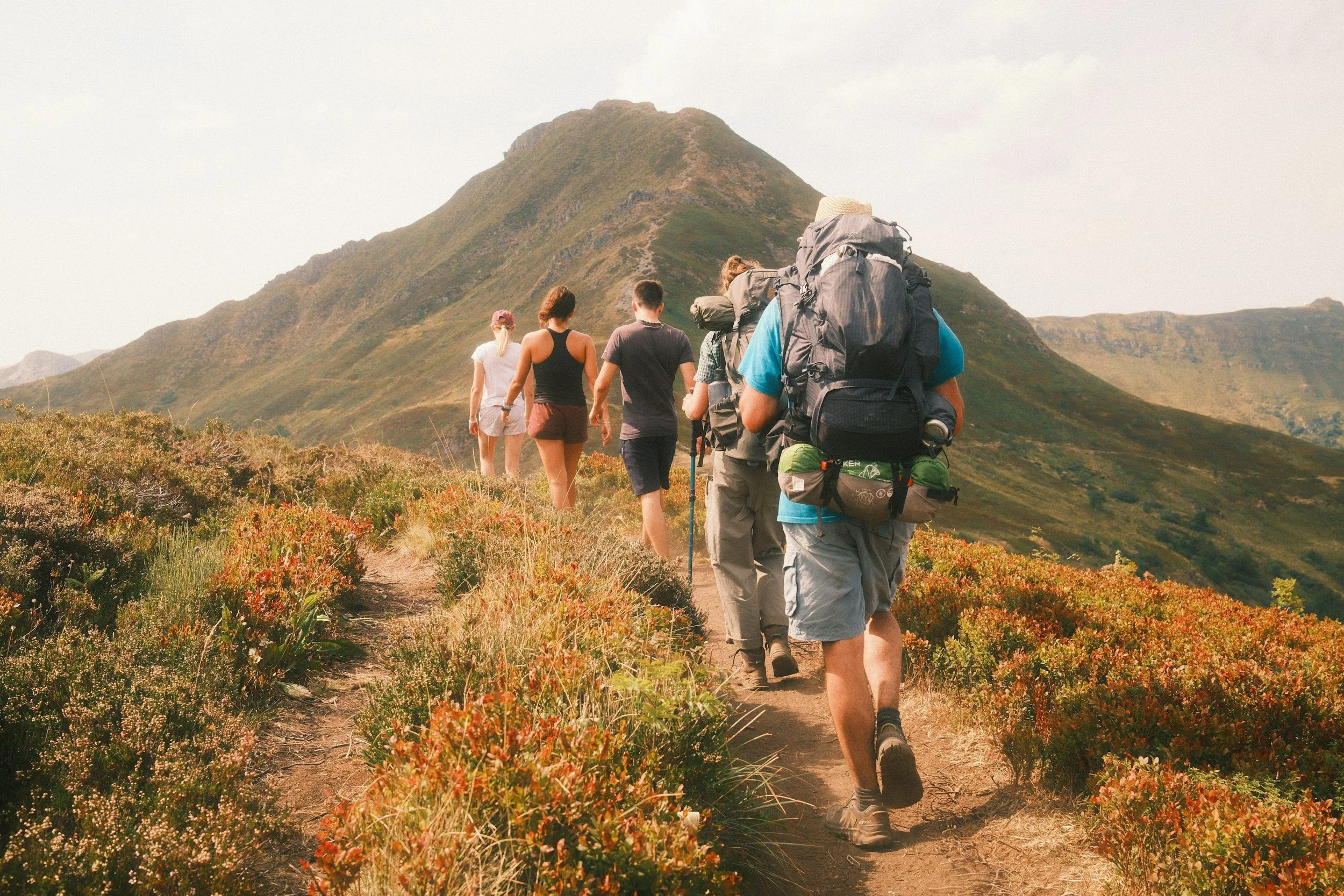
For a weekend retreat with a manageable travel radius for many East Coast guests. Target 8–14 guests. Lead with woodland quiet and a polished practice room. Compare midweek and shoulder-season terms before choosing dates.
22 / Berkshires: country inn or farmhouse
For yoga paired with arts, gardens, and low-key outdoor time. Target 8–12 guests. A local cultural element can distinguish the retreat from a generic wellness weekend. Check seasonal operating dates and food-and-beverage minimums.
23 / Santa Fe region: high-desert lodge
For meditation, restorative movement, and time in the landscape. Target 8–12 guests. Keep the schedule spacious and the price transparent. Ask about altitude considerations, airport transfers, and indoor practice options.
24 / Pacific Northwest: forest or waterfront lodge
For a small-group retreat built around nature, rest, and gentle movement. Target 8–14 guests. Market the setting and ease of access, not a promise of perfect weather. Verify indoor capacity and shoulder-season services.
25 / Hawaii: retreat center or resort
For a premium, longer-stay program where the island itself is part of the offer. Target 8–14 guests. BookRetreats reports an average retreat price of $3,053 in Hawaii, not a universal retreat benchmark. Use it as destination context, then build your own cost model.
Fill the retreat, not just the room block
A beautiful property gets attention. A bookable retreat gives people enough information to decide. Show the daily rhythm, practice conditions, room choices, inclusions, travel logistics, and cancellation terms. Price for a realistic minimum group, not a sold-out fantasy, and decide in advance when you will confirm or release the block.
Luxury does not require a maximal rate or a remote address. It requires alignment: the right space, the right scale, and an offer guests understand.
Yoga retreat venue booking FAQs
What should a yoga retreat venue include?
Ask for a dedicated practice space with enough usable floor area for your group, mats and props, an indoor weather backup, suitable room configurations, and meals that accommodate dietary needs. Request an itemized proposal so you can compare inclusions across venues.
How much does it cost to host a yoga retreat?
Costs depend on destination, season, group size, room sharing, and inclusions. Compare the full group cost: accommodation, meals, practice space, transfers, activities, facilitator expenses, taxes, and fees. Calculate your per-person price using a realistic minimum number of paying guests.
Should I book a private buyout or a room block?
A private buyout can provide exclusive use and more control over the group experience. A room block may suit a smaller group or a venue with shared facilities. Confirm exclusive access to the yoga space, dining arrangements, minimum spend, and cancellation terms in either case.
What information should I prepare before requesting venues?
Share your preferred dates and flexibility, number of paying guests and facilitators, destination preferences, budget per person, retreat length, room-sharing preferences, and practice-space requirements. Include any must-haves for meals, accessibility, transfers, or activities.
Let’s find the right venue for your next yoga retreat
I’m Emily Johnson, a retreat expert, travel advisor, and venue matchmaker. I help yoga teachers and retreat leaders connect with settings that fit their vision, guests, and budget.
Ready to turn these ideas into a shortlist? Contact me through Elevate Hospitality Collective to start planning your yoga retreat. Share your preferred dates, group size, budget, and retreat intention so we can explore the right fit.
