The Rise of ‘Rough Luxury’: What the 2026 MICHELIN Key Selection Means for Independent Hotels
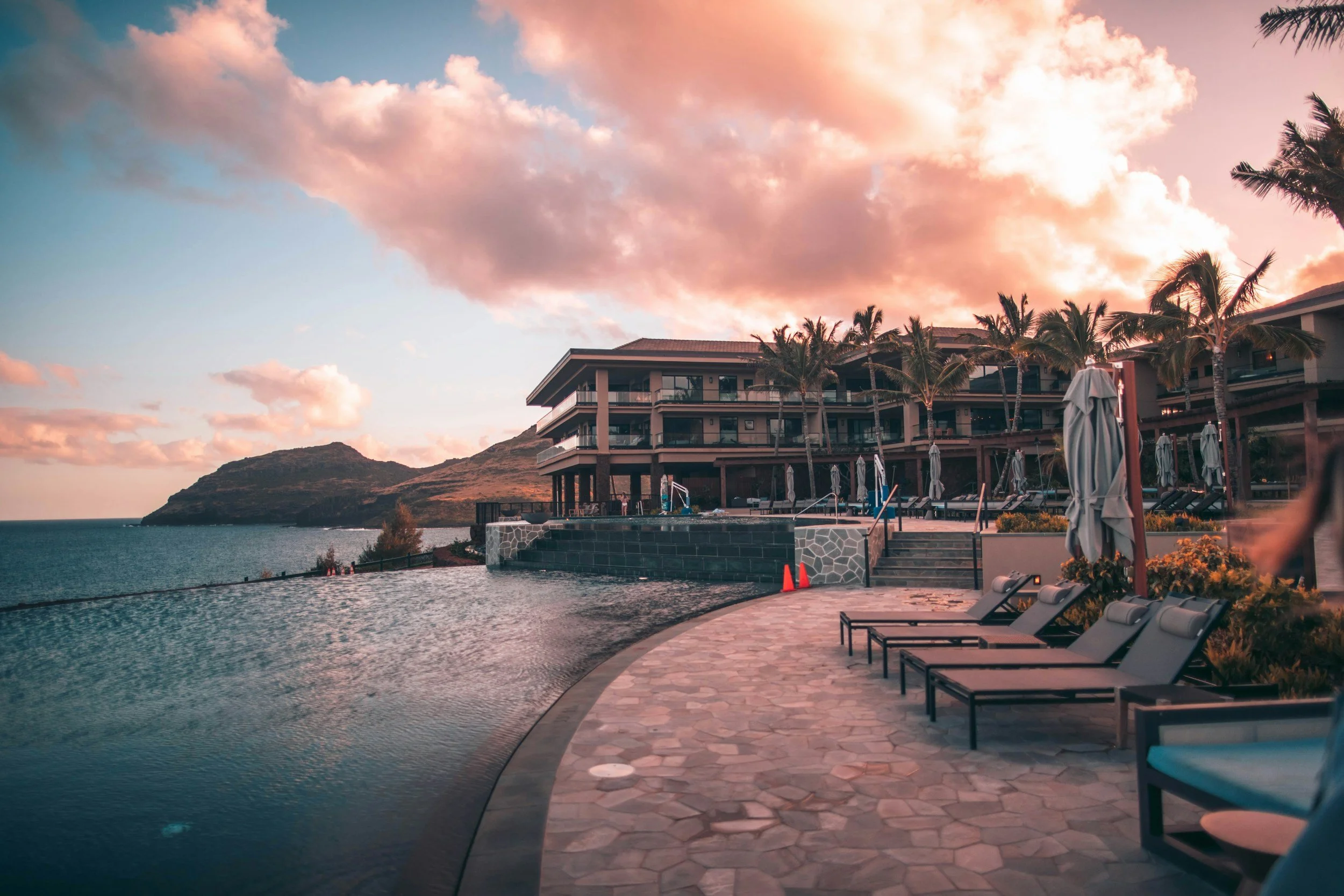
High-end hospitality is moving outdoors.
The traditional model of luxury, all polished marble, grand lobbies and increasingly interchangeable spa facilities, is giving way to something more elemental. Travelers are seeking curated seclusion, deeper cultural connection and stays that place them inside the landscape rather than behind a wall of luxury.
The 2026 MICHELIN Key selection makes that shift difficult to ignore. The global selection now includes 2,832 MICHELIN Key hotels, with 470 new additions across 79 destinations. Ten destinations received the distinction for the first time.
For independent owners and operators, this is more than a design trend. Rough luxury is a pricing strategy. Seclusion, sense of place and rugged immersion are difficult for competitors to copy because none can be purchased through capex alone.
What “rough luxury” really means
Rough luxury is not a compromise on comfort. It is a recalibration of value. Guests still expect exceptional service, excellent food, beautiful materials and a restorative room. Those elements now work best when they support a larger experience.
Architecture becomes a lens onto the wilderness rather than a barrier to it. Local culture shapes the itinerary. The outdoors becomes the primary amenity.
Privacy and seclusion: Private villas, residential-style hospitality and genuine sanctuary give guests distance from crowds and constant stimulation.
Authentic connection and sense of place: Local heritage, ecology, foodways and cultural knowledge turn a property into a credible gateway rather than a generic luxury outpost.
Rugged immersion: Guests hike, swim, observe wildlife, soak, sail and stargaze, with hospitality designed to make those moments more comfortable and memorable.
Your landscape may already be the luxury product
Independent properties often possess the raw materials of a compelling experience already: an underused trail, working farm, private shoreline, native garden, historic outbuilding or panoramic view. The missing piece is rarely another amenity. It is the strategy to package, price and communicate what the property already owns.
The first luxury may not be a champagne welcome. It may be the silence of the surrounding land.
Instead of adding another generic wellness room, create a guided dawn landscape ritual. Instead of discounting shoulder-season rooms, build a three-night “Wild Reset” around foraging, fire, movement and restorative sleep. Instead of apologizing for a remote location, position remoteness as the product.
Done well, that can support a premium ADR, longer length of stay, stronger direct-booking language and more resilient demand when conventional leisure travel softens.
Architecture carved from the earth
Desert Rock Resort in Umluj, Saudi Arabia, received the MICHELIN Guide Architecture & Design Award for 2026. The property is carved into the Hijaz Mountains, integrating guest spaces directly into the ancient geology of the region.
Most independent owners should not read this as a mandate for monumental architecture. You do not need to carve suites into a mountain to benefit from the same principle.
The more useful question is: Does your design help guests see, feel, hear and understand the place they came to visit?
A coastal inn might build its identity around tide, weather, seafood and storm-watching. A woodland property could use framed views, local stone, fire rituals and guided forest walks. A desert retreat might offer evening astronomy, shaded outdoor rooms and sunrise movement.
When the destination becomes the hotel
The MICHELIN Key is the hotel equivalent of a MICHELIN Star for restaurants. One Key represents a very special stay, Two Keys indicate an exceptional experience and Three Keys denote an extraordinary stay.
In 2026, the selection includes 155 Three-Key hotels, 657 Two-Key hotels and 2,020 One-Key hotels. The distinction is becoming an increasingly visible discovery and distribution signal for travelers, advisors and hospitality partners.
Southern Ocean Lodge in Australia was promoted to Three Keys, pairing geographic isolation with intuitive service and a highly considered guest journey. Las Casitas in Peru retained its Three-Key status as a residential-style gateway to the Colca Valley and the Andes.
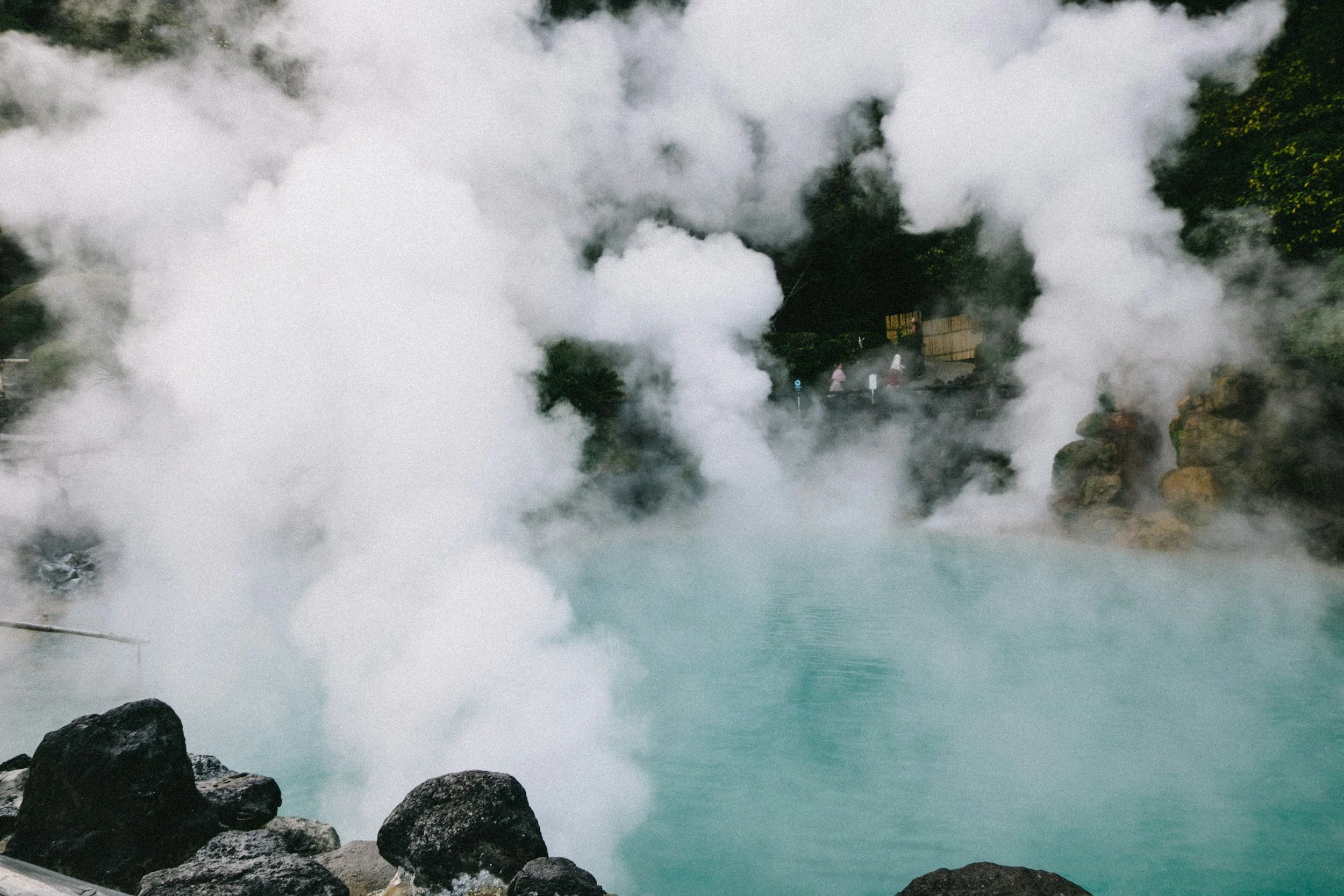
In both cases, the setting is not scenery around the product. The setting is the reason to travel.
Culture and conservation are part of the value
Londolozi Game Reserve in South Africa received the MICHELIN Guide Local Gateway Award, reflecting its decades-long connection to the Kruger region’s ecology and culture. One&Only Gorilla’s Nest in Rwanda connects luxury travel with the Virunga Mountains and wildlife conservation. Shinta Mani Wild in Cambodia, awarded a new Two-Key distinction, pairs high design with one of Southeast Asia’s most remote environments.
The commercial lesson is straightforward. Guests increasingly want to understand what their spending supports. Conservation, local sourcing, cultural stewardship and community relationships are no longer background details. When expressed with integrity, they are part of the value of the stay.
Wellness beyond the spa is recovery hospitality
The same movement is reshaping wellness. The market is moving away from wellness as a treatment menu and toward wellness as an integrated guest outcome: better sleep, less stimulation, meaningful movement, mental clarity and environments that support nervous system regulation.
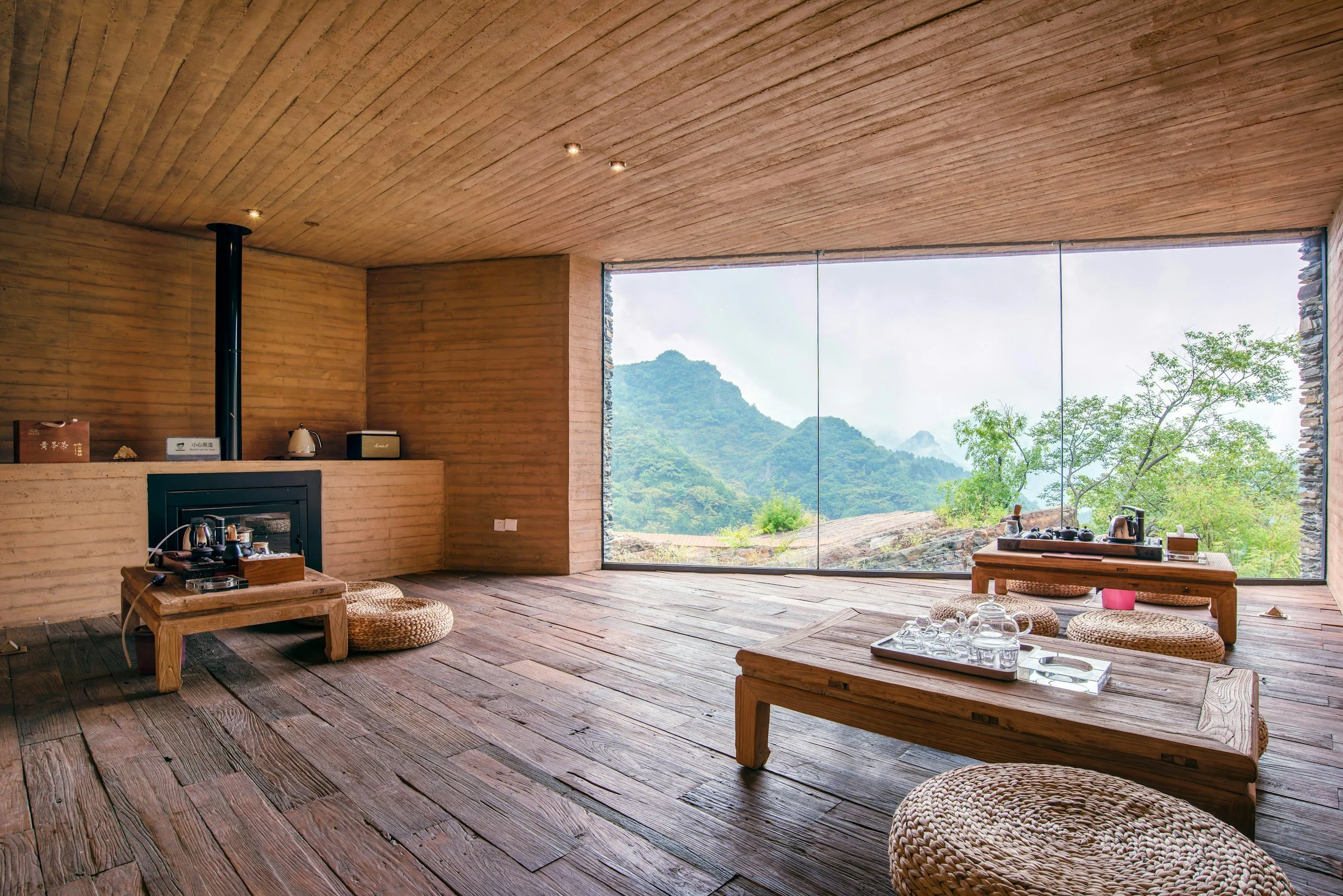
That does not necessarily require a multimillion-dollar spa. Independent hotels can often create more relevant value through room-level recovery, acoustic calm, circadian lighting, tactile materials, outdoor bathing and thoughtful programming.
Your quietest room, most restorative view, shaded garden or natural swimming area may already be a wellness asset. The opportunity is to turn it into a coherent journey rather than a collection of disconnected amenities.
A five-point rough-luxury audit for independent hotels
Audit your land for seclusion and sensory value. Identify where guests can experience quiet, privacy, sunrise, water, wildlife or uninterrupted views. Consider which spaces could support a premium room category, private experience or seasonal package.
Audit your local culture for genuine access. Map the farmers, artisans, historians, chefs, guides, conservationists and cultural organizations that can deepen the guest journey. Build partnerships that are reciprocal and credible.
Audit existing spaces for rugged immersion. Look beyond the spa. Review trails, gardens, rooftops, docks, firepits, outdoor showers, barns, libraries and underused gathering spaces.
Audit your rate architecture. If the experience is differentiated, the rate should reflect it. Create room tiers, guided experiences, retreat packages and private-use options that capture the value of the environment.
Audit the guest journey and measurement. A landscape or wellness asset only becomes commercially meaningful when guests discover it, use it, remember it and recommend it.
The wider 2026 hospitality picture
Slow and immersive travel: Design longer stays around fewer, deeper experiences in less crowded destinations.
Fluid travel: Create flexible spaces and packages that serve leisure, work, retreat and lifestyle travel.
Wellness beyond the spa: Sell restoration, recovery, movement and mental clarity rather than treatment time alone.
Design made for discovery: Use architecture, interiors and storytelling to reveal the destination.
Luxury takes to the water: Consider the commercial potential of marine access, yacht partnerships, waterfront rituals and water-based programming.
The first-mover signal is especially interesting in destinations receiving MICHELIN Keys for the first time. Botswana, Mongolia, Rwanda, Armenia and Benin should be on the radar of owners, developers, destination marketers and advisors looking for emerging luxury markets.
What travelers and advisors should look for
Look beyond the number of Keys and ask what kind of experience the property makes possible.
Prioritize experiential equity. The most valuable stays offer a connection to landscape and culture that cannot be replicated elsewhere.
Understand the hierarchy. One Key means a very special stay, Two Keys indicate an exceptional experience and Three Keys designate an extraordinary journey.
Consider new frontiers. Emerging Key destinations offer a chance to experience the next generation of luxury hospitality while it is still taking shape.
The future of luxury is more grounded
The 2026 MICHELIN Key selection signals a pivotal moment in hospitality. Excellence is no longer measured only by gold leaf, square footage or the number of treatment rooms. It is increasingly measured by the depth of the experience and the strength of the relationship between guest and place.
You do not need to become Desert Rock, Southern Ocean Lodge or Londolozi. You need to understand what makes your property impossible to substitute.
Your landscape may already be your spa. Your local culture may already be your signature experience. Your quietest room may already be your highest-value recovery product.
The question is whether you are pricing, packaging and communicating those assets clearly enough.
Elevate Hospitality Collective helps boutique hotels, retreat centers and independent hospitality brands turn wellness, landscape and sense of place into measurable commercial advantages through wellness ROI audits, signature experience strategy and commercial advisory.
