2027 Travel Trends: What Hilton’s Great Rebalance Means for Hotels and Travelers

The short version: The defining travel trend for 2027 is not a new destination or another must-have amenity. It is a change in how people want travel to fit into their lives. Guests are looking for more flexibility, credible human guidance, experiences that leave something behind, wellness that feels natural, and shorter trips that are genuinely worth the effort.
Hilton calls this shift The Great Rebalance. Its 2027 Trends Report is based on a Morning Consult survey of 14,744 travelers across 14 countries, conducted from May 18 to June 1, 2026.
Travel trend reports are very good at naming things. The more useful question for hotel owners, operators and travel advisors is: what will actually change guest behavior, purchasing decisions and expectations?
What are the biggest travel trends for 2027?
Hilton identifies five: the rise of “ish,” the travel trust equation, growth getaways, wellness rewired and the micro-travel mindset. Read together, they point to one larger shift. Travelers want more agency over their time and more value from the experience, without turning the trip into another performance review.
1. Flexible, “good-ish” travel replaces perfection
More than half of travelers surveyed, 54%, say they feel some pressure to create the perfect trip. That pressure may come from keeping a group happy, following recommendations they did not ask for, or producing a vacation that looks better online than it feels in real life.
The countertrend is what Hilton calls “ish”: healthy-ish, local-ish, adventure-ish and solo-ish. It is morning yoga followed by truffle fries. It is arriving before the group or staying an extra day alone. It is choosing one cultural experience and leaving the rest of the afternoon gloriously unplanned.
This is not about lowering standards. It is about replacing rigidity with choice. More than 60% of extended-stay travelers say an in-room kitchen is one of the most important amenities for a long stay. The value is not that every guest intends to cook three meals a day. The value is control.
What this means for hotels: Build offers that guests can shape. Flexible arrival windows, optional programming, modular packages and a mix of healthy and indulgent choices can be more valuable than a tightly scripted itinerary. A rigid wellness schedule can quickly become another job, just with better robes.
2. AI may start the search, but people still close the trust gap
AI is already part of travel planning, but Hilton’s data suggests that trust becomes more human as a decision gets more nuanced. Seventy percent of travelers trust hotel staff as a planning resource, compared with 63% who trust AI tools in general. Only 22% trust AI to create an itinerary tailored to their interests, and 18% trust it to uncover lesser-known local experiences.
That gap matters. Technology is excellent at producing options. A seasoned concierge, travel advisor or front desk team member can tell a guest which option is actually right for Tuesday night, with children, after a delayed flight, when half the city is closed for a private event.
What this means for hotels: Local knowledge is not a soft amenity. It is part of the product. Give teams the time, training and relationships to make useful recommendations. The best answer is rarely a generic list of “top ten things to do.” It is a confident suggestion that fits the guest in front of you.
3. Travelers want a return on experience
Hilton’s “growth getaways” trend reflects a shift from collecting moments to building something that lasts. Seventy-six percent of travelers say having a trip on the calendar gives them a purpose to work toward, while 71% say a booked trip motivates them to follow through on a personal goal.
That is the “beforeglow”: the value begins before arrival. It continues through skill-based and culturally grounded experiences that may influence life after checkout. Forty-two percent say travel has helped them discover new interests or passions, and Gen Z travelers are nearly twice as likely as Baby Boomers to hope a trip leads to a new hobby they will continue at home.
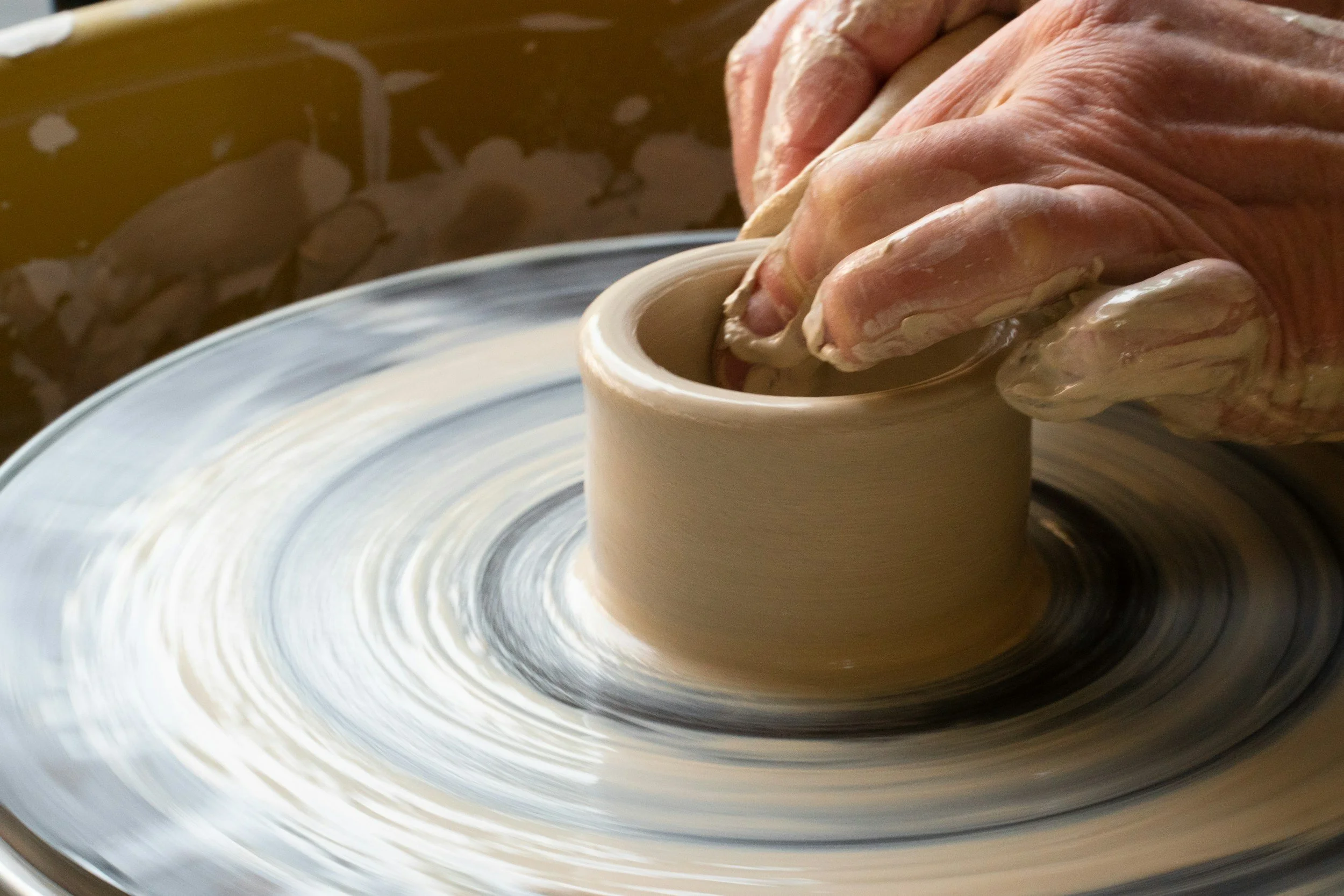
What this means for hotels and retreat venues: Programming needs substance. A workshop becomes commercially meaningful when the facilitator is credible, the group size works, the materials are ready, the timing fits the guest journey and the experience connects to the destination. Beautiful programming copy cannot compensate for weak operations. Guests notice.
4. Wellness moves beyond the treatment room
Nearly two-thirds of travelers, 65%, actively seek experiences that calm the body and reset the nervous system. Seventy-six percent say travel helps them recharge in ways they cannot easily achieve at home, and 79% consider fresh air and time outdoors essential to relaxation while traveling.
Wellness in 2027 is both high-tech and elemental. Travelers may use wearables, recovery technology or AI-powered bodywork, then choose a forest walk, a traditional ritual or an hour in thermal water. Hilton reports that 61% are more likely to try water-based wellness while traveling, and 60% are more interested when the experience can be shared.
That last point deserves attention. Wellness has spent years being sold as a solitary luxury. Communal hydrotherapy, outdoor recovery spaces and social rituals create a different kind of value: restoration and connection at the same time.
What this means for hotels: Stop treating wellness as shorthand for spa. Look at sleep, food, movement, nature, thermal experiences, social connection and recovery across the full stay. The commercial opportunity is often in making these experiences visible, bookable and operationally realistic, not simply adding another treatment to a menu.
5. Short trips have to work harder
Twenty-one percent of travelers plan to add more short trips in 2027. But “short” is not a universal definition. In the United States, most travelers define it as fewer than three or four days. In Japan and South Korea, it can mean fewer than two.
Hilton describes two micro-travel styles. Selectors build a trip around one defining experience, such as a concert, restaurant or hike. Stackers want to fit several experiences into a limited window. Fifty-one percent like planning around a single experience, while 67% prefer travel that lets them do a lot in a short time.
What this means for hotels: Know which guest you are serving. Selectors need a clear reason to book and confidence that the central experience will work. Stackers need location, speed, pre-arrival planning and fewer points of friction. Both care about time. Luggage storage, digital check-in, a useful local guide, early breakfast or a well-timed late checkout may carry more value than another decorative welcome amenity.
The commercial takeaway for hospitality
The Great Rebalance is not a mandate to add five new packages by Friday. It is a prompt to examine how a property sells time, trust, flexibility and restoration.
For operators, a few questions are worth asking:
Can guests understand the experience and its value within a few seconds of landing on the website?
Can they build a stay around their own pace rather than the hotel’s preferred itinerary?
Are wellness and programming easy to discover and book before arrival?
Can the team recommend something an algorithm would not know?
Does the experience create revenue while still feeling generous and personal?
For travelers, the message is simpler: the best trip may not be the one with the fullest itinerary. It may be the one that gives you what you actually needed, even if what you needed was one memorable dinner, a long walk and absolutely no interest in documenting either.
Frequently asked questions about 2027 travel trends - TL;DR
What is Hilton’s Great Rebalance?
The Great Rebalance is Hilton’s term for a shift away from pursuing the perfect vacation and toward travel that offers flexibility, trusted guidance, personal growth, wellbeing and more intentional use of time.
What are the five travel trends Hilton predicts for 2027?
The five trends are the rise of “ish,” the travel trust equation, growth getaways, wellness rewired and the micro-travel mindset.
How is wellness travel changing in 2027?
Wellness travel is expanding beyond spa treatments to include sleep, nature, recovery technology, water-based experiences, local traditions and social connection. Guests increasingly want wellness to be integrated into the stay rather than isolated in one department.
How should hotels respond to 2027 travel trends?
Hotels should make stays easier to personalize, invest in staff knowledge, create credible destination-based programming, integrate wellness across the guest journey and remove friction for shorter trips.
Source and methodology
This analysis is based on Hilton’s 2027 Trends Report, The Great Rebalance. Hilton commissioned Morning Consult to survey 14,744 adults planning to travel within the following 12 months across 14 countries. The survey was conducted from May 18 to June 1, 2026, with an overall margin of error of approximately one percentage point.
