Transformational Programming 101: How to Design Retreats That Keep Guests Coming Back

Travel in 2026 is no longer defined by the destination itself, but by the profound internal shift a guest experiences during their stay. As a retreat facilitator or a hotel programmer, you are no longer just selling a room or a workshop. You are selling a version of the guest that is more regulated, more connected, and more resilient than the one who arrived at your front desk. The global wellness market has reached staggering new heights, with travelers spending billions of dollars annually on experiences that promise mental clarity and emotional restoration.
To capture this demand, your programming must move beyond the surface level of luxury. It’s not enough to offer a beautiful view and a daily yoga class. True transformational travel requires a deep understanding of human psychology and nervous system regulation. When you design an experience that facilitates a genuine internal shift, you create a loyal advocate who will return to your property year after year.
The Psychology of the Guest Experience
Transformation begins long before the guest steps onto your property. In our experience auditing high end wellness programs, we consistently find that the most successful retreats manage the psychological state of the participant from the moment of booking. The traveler of 2026 is often coming from a state of high stress and digital saturation. They are looking for a sanctuary that allows them to put down their mental armor.
Psychologically, a retreat acts as a controlled environment where the brain can move from a state of survival into a state of growth. This shift requires a high level of trust between the guest and the facilitator. You must establish this trust through clear communication and intentional design. If a guest feels safe, their prefrontal cortex can disengage from daily logistics and engage with the transformative content you have prepared.
Nervous System Regulation as a Product
The most overlooked aspect of retreat programming is the biological reality of the guest. Most travelers arrive with a nervous system that is stuck in a sympathetic "fight or flight" response. If you jump immediately into deep emotional work or intense physical activity, you may overwhelm their system and prevent any lasting change.
Savvy operators now view nervous system regulation as a core service. Your schedule should intentionally alternate between activation and deactivation. You might follow a morning of intense group workshops with a long period of silence or a restorative hydrotherapy session. This allows the guest to integrate the information they are learning on a cellular level. We often see properties neglect this balance, which leads to "retreat burnout" where guests leave feeling exhausted rather than renewed. You can learn more about how to structure these environments in our guide on hotels as wellness sanctuaries.

The Five Elements of Transformational Design
To design a program that keeps guests coming back, you must align five core elements: Intention, Setting, Program, Community, and Outcomes.
1. Clear Intention and Alignment
Every successful retreat starts with a unifying theme that dictates every decision from the menu to the lighting. If your intention is "Digital Detox and Cognitive Recovery," then your F&B program should focus on brain-boosting neuro-nutrition and your lighting should be strictly circadian-aligned. When the intent is clear, the guest feels a sense of cohesive purpose that eliminates decision fatigue.
2. The Thoughtful Program Arc
A well designed schedule is not a list of activities but a narrative arc. You should limit formal teaching sessions to 45 minutes to respect the average attention span in a post-digital world. Integration periods are just as important as the sessions themselves. You must build in moments of silence where guests can process their internal shifts. This is a key insight we discussed in our feature on sensory wellness in hospitality.
3. Community and Social Safety
Humans are biologically wired for connection, and a retreat is one of the few places where people can find deep community in a short period. You should incorporate structured social interaction that goes beyond small talk. Shared meals and group reflection circles create a sense of belonging that is often the primary reason a guest chooses to return.
4. Setting as a Facilitator
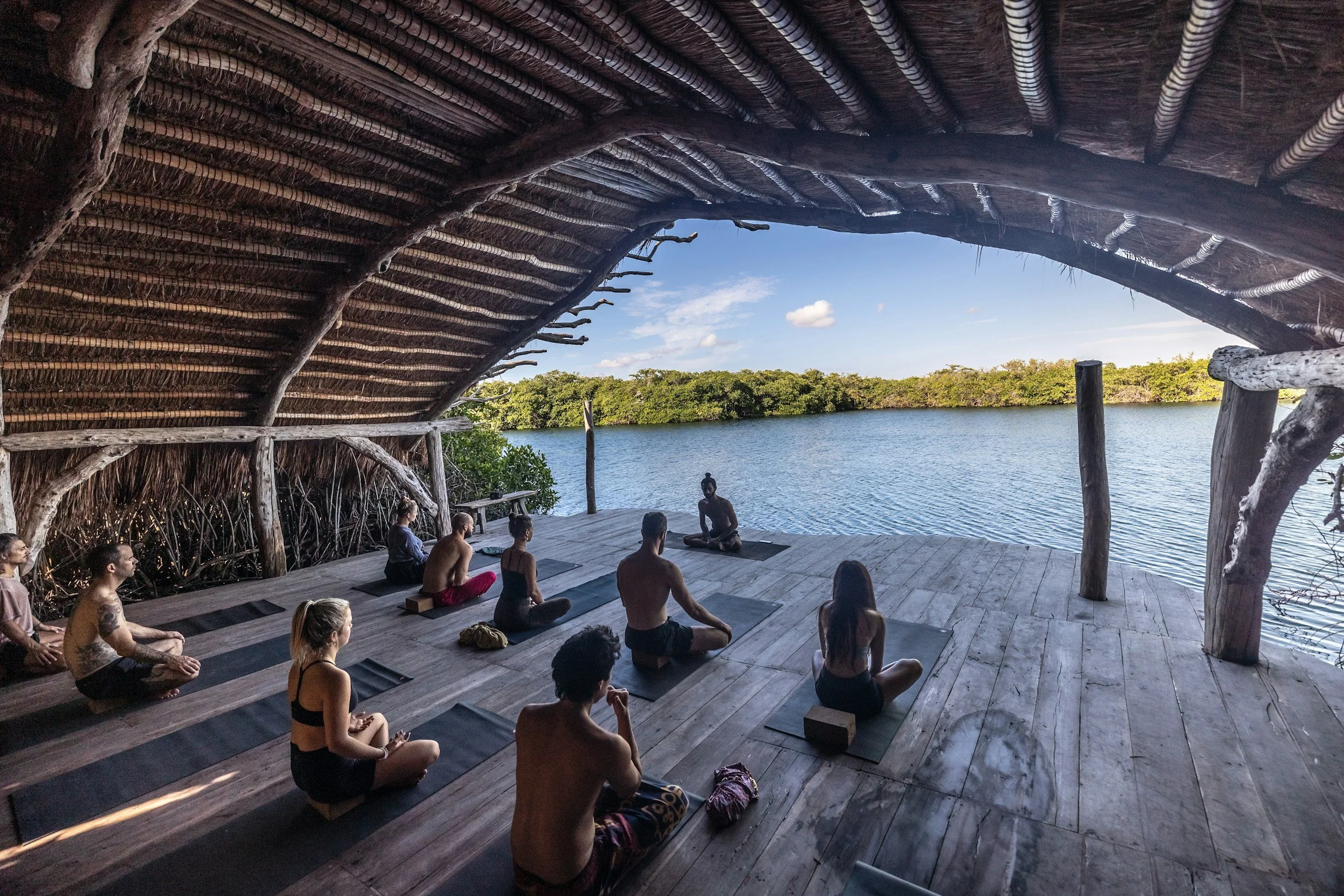
The physical environment must do the heavy lifting of relaxation. Whether you are operating a boutique mountain lodge or a coastal resort, the setting should reflect the goals of the program. Nature plays a vital role here, as biophilic design has been proven to lower cortisol levels significantly. We have seen a 265% increase in demand for nature-based wellness experiences that go beyond the spa walls.
5. Measurable Outcomes
Guests want to know that their investment of time and money resulted in a tangible change. You should provide tools for them to measure their progress, such as baseline well-being assessments or post-retreat action plans. When a guest can point to a specific habit they changed because of your retreat, they become a repeat customer.

Revenue Opportunities for Hotel Operators
For hotel owners, transformational programming is a significant driver of ancillary revenue. While room nights are the foundation, the high-margin opportunities lie in the programming itself. Retreats allow you to monetize expertise and space in a way that traditional leisure travel does not.
You can create "Time-Rich Wellness Experiences" that command a premium price because they offer something the guest cannot find elsewhere. This might include curated wellness kits or exclusive access to specialist practitioners. We consistently find that properties that invest in curated programming see a higher Average Daily Rate (ADR) and a longer length of stay. For more on this, explore our wellness retreat hotel revenue guide.
Audit-Style Opportunities We Often See
In our audits of independent hotels and retreat centers, we notice a few recurring gaps that hinder guest retention. You can address these immediately to improve your program’s impact:
The Lack of Pre-Arrival Support: Most facilitators wait until the guest arrives to begin the work. You should send out intake questionnaires and preparatory meditations 14 days before the start date. This begins the psychological shift early and builds anticipation.
Inconsistent Sensory Branding: If your retreat focuses on "Serenity" but your lobby is playing loud pop music, the cognitive dissonance will pull the guest out of the experience. Every touchpoint must be aligned.
The "Cliff-Edge" Finish: Many retreats end abruptly, leaving guests to navigate the transition back to "real life" on their own. You should provide a 30-day integration plan to ensure the transformation sticks. This is how you drive re-bookings.
Creating Lasting Impact and Loyalty
The goal of transformational programming is to create a "halo effect" that lasts long after the guest checks out. If you provide them with a simple weekly rhythm or a digital community group to stay connected, you remain top of mind. This ongoing support is what differentiates a one-time vacation from a life-changing experience.
Savvy operators are also moving toward "Progressive Programming" where each retreat builds on the last. You might offer a "Foundations of Mindfulness" retreat in the spring and an "Advanced Integration" retreat in the fall. This creates a natural pathway for the guest to return, as they view your property as a partner in their long-term wellness journey.
Strategic Implementation for Your Property
If you are a hotel owner looking to increase revenue through wellness, the picture is clear. You must move beyond the "spa-only" model and embrace holistic, transformational programming. This involves a shift in how you view your staff, your space, and your service delivery.
Instead of just selling rooms during off-peak seasons, you can package them into high-value retreats that target specific mental wellness outcomes. This strategy is particularly effective for independent hotels that can offer a level of intimacy and curation that large chains cannot match. You can read more about how independent hotels increase revenue through wellness here.
The longer you wait to institutionalize these transformational elements, the more you risk being left behind in a market that is rapidly evolving. The travelers of 2026 are discerning, and they are looking for more than just a place to sleep. They are looking for a place to wake up.
By focusing on the psychology of the guest, the biology of the nervous system, and the strategy of the program arc, you can design retreats that do more than just fill rooms. You can design experiences that change lives. This is exactly what we do at Elevate Hospitality Collective, and we invite you to join us in redefining what it means to be a leader in the hospitality industry. For more insights on the future of the industry, you can check out our latest blog posts and strategy guides.
