Wellness Revenue Strategy for Hotels: The Proven Framework for Non-Room Income
Travel in 2026 is not just about where people go. It is fundamentally about who they become while they are staying at your property. For the modern boutique hotel owner or retreat center operator, this shift represents the single greatest revenue opportunity of the decade. While traditional lodging focuses on filling beds, savvy operators are realizing that the real profit lies in the spaces between the room nights. We are seeing a move toward a model where wellness is not just a basement amenity but a primary commercial lens that drives every department in the building.
The data supports this transition with striking clarity. Properties that successfully integrate wellness into their core operations can increase total guest revenue by up to 10 percent. In fact, major wellness hotels achieved a Total Revenue per Occupied Room of 561 dollars in the first half of 2025. This represents a 67.5 percent premium over properties that only offer minor wellness features. If you are still viewing your spa or yoga studio as a cost center, you are leaving significant capital on the table.
The Revenue Diversification Framework
The most resilient properties in our current market are those that generate 25 to 35 percent of their revenue from diversified ancillary streams. These streams include spa services, food and beverage, curated programming, and intentional retail. When a hotel achieves this balance, it demonstrates a profit margin stability that room-only models simply cannot match during demand cycles.
The goal is to transform your asset’s cash flow profile so it resembles a high-performing mixed-use real estate project rather than a traditional lodge. This requires a move away from the "amenity" mindset. Instead of offering a gym because it is expected, you must offer movement experiences because they drive engagement and spend.
Imagine a guest who arrives at your retreat center. If their experience is limited to a room and a meal, your revenue potential is capped. However, if that guest engages in a sensory wellness journey or a curated workshop, their spend per day increases exponentially. We consistently find that wellness programming drives higher food and beverage spending per guest. Wellness-focused guests spend an average of 78 dollars on dining compared to 42 dollars for conventional hotel guests.
Transforming Food and Beverage into a Wellness Engine
Food and beverage is often the most underutilized lever for non-room income in the boutique space. When you reposition your culinary offerings through a wellness lens, you do more than just feed people. You provide nourishment that aligns with their personal goals. This integration creates a compounding mechanism where the menu supports the premium pricing of your rooms.
In our recent audits, we have seen that hotels with integrated wellness culinary operations demonstrate significantly higher profit margin stability. This involves more than just adding a green juice to the menu. It requires a holistic approach to how food interacts with the guest journey.
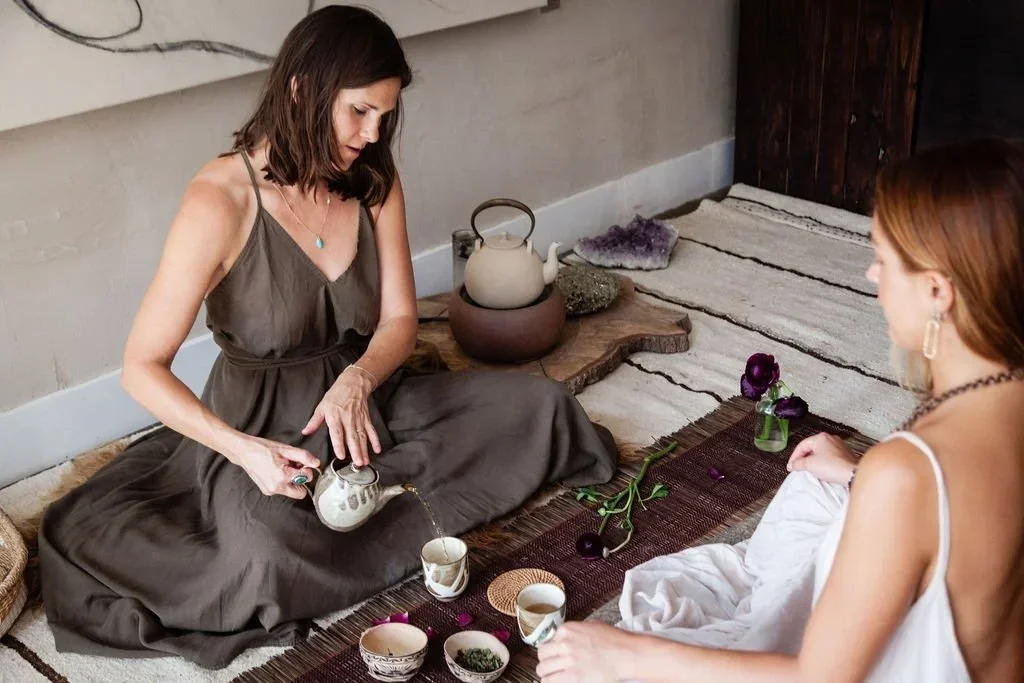
You might consider implementing "Harvest and Feast" evenings or educational sessions that connect guests to the local land. Implementing simple intentional tea ceremonies are a way to engage and educate your guests. These experiences are bookable, high-margin, and highly shareable.
For properties looking to expand this area, you can explore how farm-to-hospitality models are redefining the guest expectation for transparency and quality.
High-Margin Programming and the Fractional Advantage
Many retreat center owners and boutique hotel operators feel they lack the internal expertise to build sophisticated wellness programs. This is where the fractional wellness strategist becomes a vital asset. You do not necessarily need a full-time executive salary on your books to get world-class strategy. By working with a consultant, you gain access to a proven framework for revenue-driven programming without the overhead.
High-margin programming includes:
Multi-day immersive retreats that utilize off-peak inventory.
Sound healing and meditation sessions that require minimal equipment but command premium fees.
Workshops led by visiting facilitators that draw in the local community as well as overnight guests.
Hydrotherapy rituals that maximize the use of existing water features or pools.
By diversifying your offerings, you create a sustainable revenue engine that functions even when room occupancy fluctuates. This is particularly important for retreat facilitators who need to ensure their events are profitable for the host venue while remaining attractive to their participants.

Moving Beyond the Spa: The Total Revenue Focus
We often hear the question of whether traditional hotel spas are still relevant. The answer is that they are evolving. A spa should no longer be a silent corridor of treatment rooms. It should be a vibrant hub of activity that connects to the rest of the property. You can read more about this shift in our analysis of whether hotel spas are dead.
The most successful operators are moving wellness "beyond the robe." This means integrating sensory experiences into the lobby, the guest rooms, and the outdoor spaces. For example, installing an outdoor wood-fired cedar hot tub in a forest setting creates a high-value, low-labor relaxation point that guests are willing to pay extra to reserve.
Data-Driven Operational Integration
To maximize non-room income, you must stop looking at your departments in silos. Your Property Management System should link seamlessly with your spa software, your point-of-sale system, and your guest loyalty data. This allows you to track a critical metric: Revenue Per Occupied Guest.
Instead of only looking at Average Daily Rate (ADRyou should be measuring the total value of each person on your property. Are they booking a massage? Are they buying curated merchandise from your shop? Are they attending the morning yoga session? When you track these behaviors, you can create dynamic pricing models that reward high-spending guests and optimize your staffing levels based on actual programming demand.
Audit-Style Opportunities for Your Property
If you are wondering where to start, we often recommend a 90-day action plan to identify the low-hanging fruit in your wellness operations. Here are a few opportunities we consistently see in our audits:
Curated Merchandise: Most hotel gift shops are an afterthought. By switching to "Mindful Merch" that guests actually want to take home, such as custom-blended oils or high-end yoga gear, you create a lasting revenue stream. You can explore why curated merchandise is the next big upsell opportunity for more details.
Off-Peak Packages: Create specialized wellness retreats specifically for your slowest days of the week. This allows you to monetize your fixed costs and keep your staff engaged during quiet periods.
Local Memberships: If your boutique hotel has a wellness facility, consider offering a limited number of "local memberships." This provides a steady monthly recurring revenue stream that is independent of tourism trends.
Ancillary Upsells: Offer sensory enhancements at the time of booking. This could be a "Sleep Ritual Kit" waiting in the room or a private guided meditation session upon arrival.
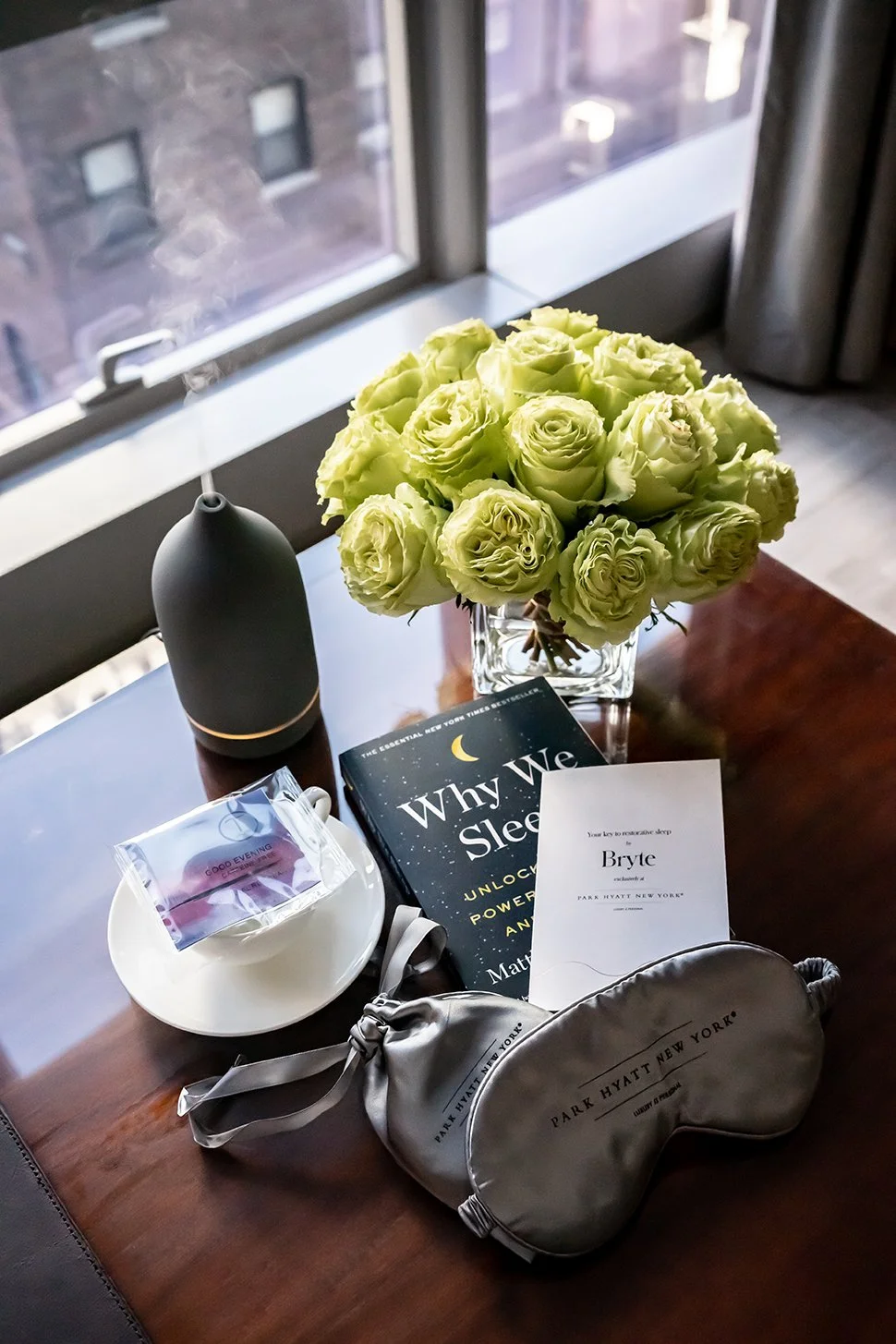
Credit: Park Hyatt New York
The Path Forward: Partnering for Profit
The transition from a traditional lodging model to a wellness-centric revenue model does not happen overnight. It requires a visionary approach and a willingness to look at your property through a new lens. For retreat center owners and hotel operators, the question is no longer whether to invest in wellness but how to do so in a way that guarantees a return on investment.
At Elevate Hospitality Collective, we specialize in helping independent hotels and retreat centers find these hidden revenue streams. We move beyond the "nice to have" amenities and focus on the commercial strategy that makes your business thrive. Whether you are looking to refine your wellness retreat revenue guide or you need a full audit of your current operations, we provide the expertise to turn your vision into a profitable reality.
The future of hospitality is immersive, intentional, and high-yielding. By adopting a proven wellness revenue framework, you ensure that your property is not just a place to stay, but a destination that guests value, return to, and recommend. Let's work together to build a strategy that drives both impact and income.
