From Barn to Breathe: How to Turn Your Farm Stay Into a Recovery Hospitality Destination
We are witnessing a fundamental shift in the hospitality landscape where the traditional vacation is being replaced by a non-negotiable need for deep recovery. Your guests are arriving at your doorstep more dysregulated than ever before. They are over-stimulated by digital noise and weary from the relentless pace of urban life. While city hotels struggle to mask the sirens and screen glare, your farm stay possesses a natural advantage that cannot be manufactured in a metropolitan high-rise. You own the ultimate regulatory environment.
The market data confirms that this is not just a passing trend but a commercial mandate for the next decade of hospitality. Recent reports from Expedia Group and VRBO indicate that 84% of travelers are now seeking rural or farm-based escapes. Mention of "farm charm" in reviews has surged by 300% year over year as guests trade city lights for starlit skies. The global wellness tourism market is moving toward a $1.35 trillion valuation by 2028. This presents a massive opportunity for farm owners to transition from simple agritourism to becoming high-margin recovery hospitality destinations.
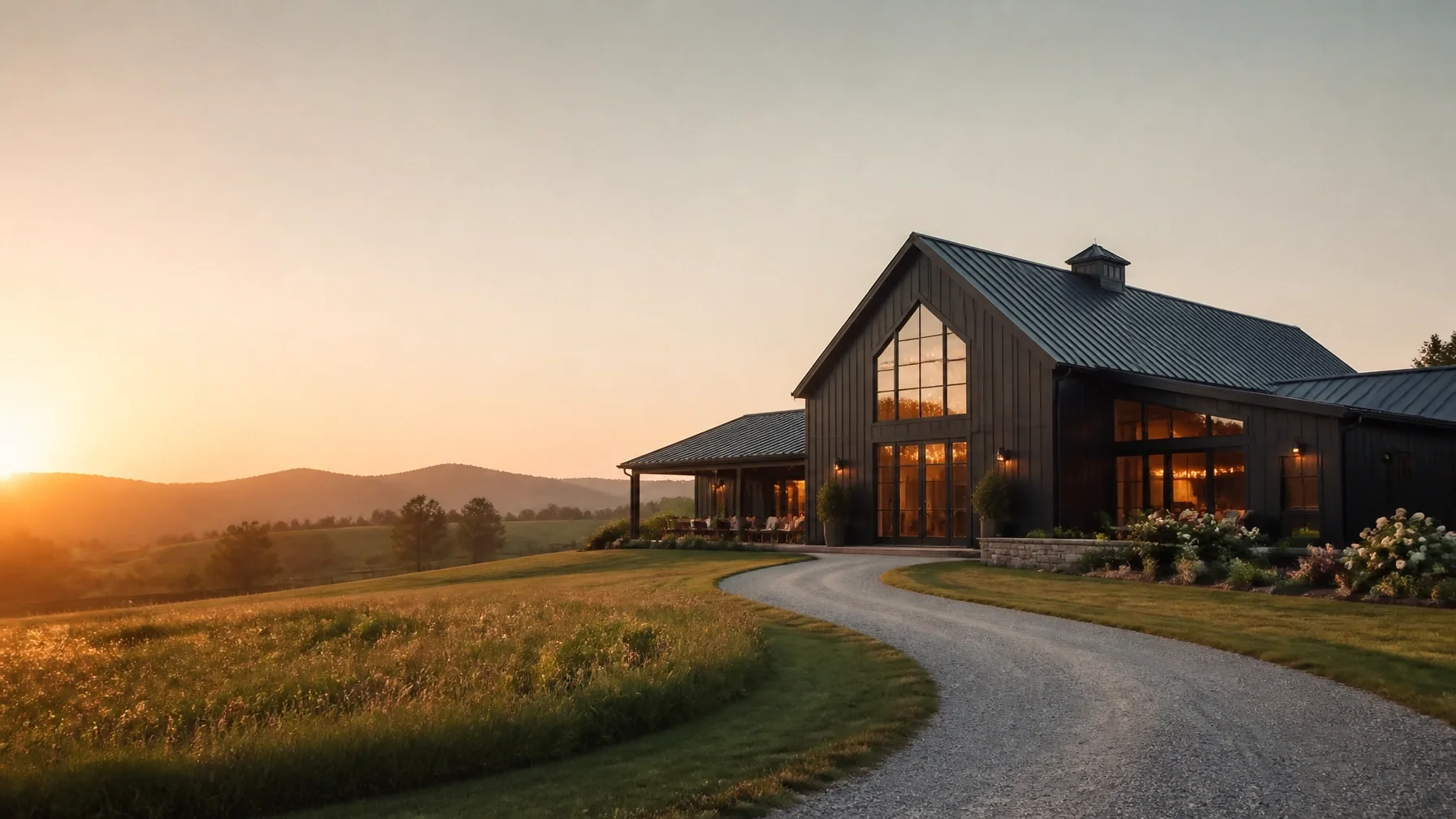
The Science of the Soil: Why Farms Regulate the Nervous System
We consistently see that the most successful properties in this new era are those that understand the mechanics of nervous system regulation. A farm is inherently designed for this process. It offers a low-stimulus environment with natural light cycles and rhythmic physical activities that ground the body. When you position your farm stay as a recovery asset, you are selling an outcome rather than just a room night. You are offering a return to a parasympathetic state where the guest can finally rest and digest.
Instead of competing on traditional luxury amenities like gold-plated fixtures or high-tech gyms, savvy operators are leaning into the raw elements of the land. We find that guests are increasingly willing to pay a premium for "quiet luxury" that prioritizes mental clarity and physical restoration. This transition does not require a massive capital expenditure for new buildings. It requires a strategic shift in how you program the existing assets of your land.
The Arrival Protocol: Transitioning from High to Low Stimulus
The recovery journey begins the moment a guest enters your property. Most hotels follow a standard check-in process involving a front desk and a stack of paperwork. This maintains the guest's state of high-alert and administrative focus. To activate the recovery process immediately, you should rethink the arrival protocol entirely.
Imagine a guest arriving not at a desk but in a garden or a converted barn space. Instead of a plastic key card, they are handed a warm cup of herbal tea made from plants grown on your property. We often recommend removing the traditional front desk altogether to break the "transactional" feeling of arrival. Your staff should greet guests as hosts rather than clerks. This immediately signals to the guest that they are safe and that the demands of the outside world have been left at the gate.
Programming That Does Not Feel Like Programming
We consistently find that guests are seeking "invisible wellness" where the activity itself provides the therapeutic benefit without the clinical label. On a farm, your daily operations are your best programming assets. What you might consider a chore, a guest from the city views as a grounding ritual.
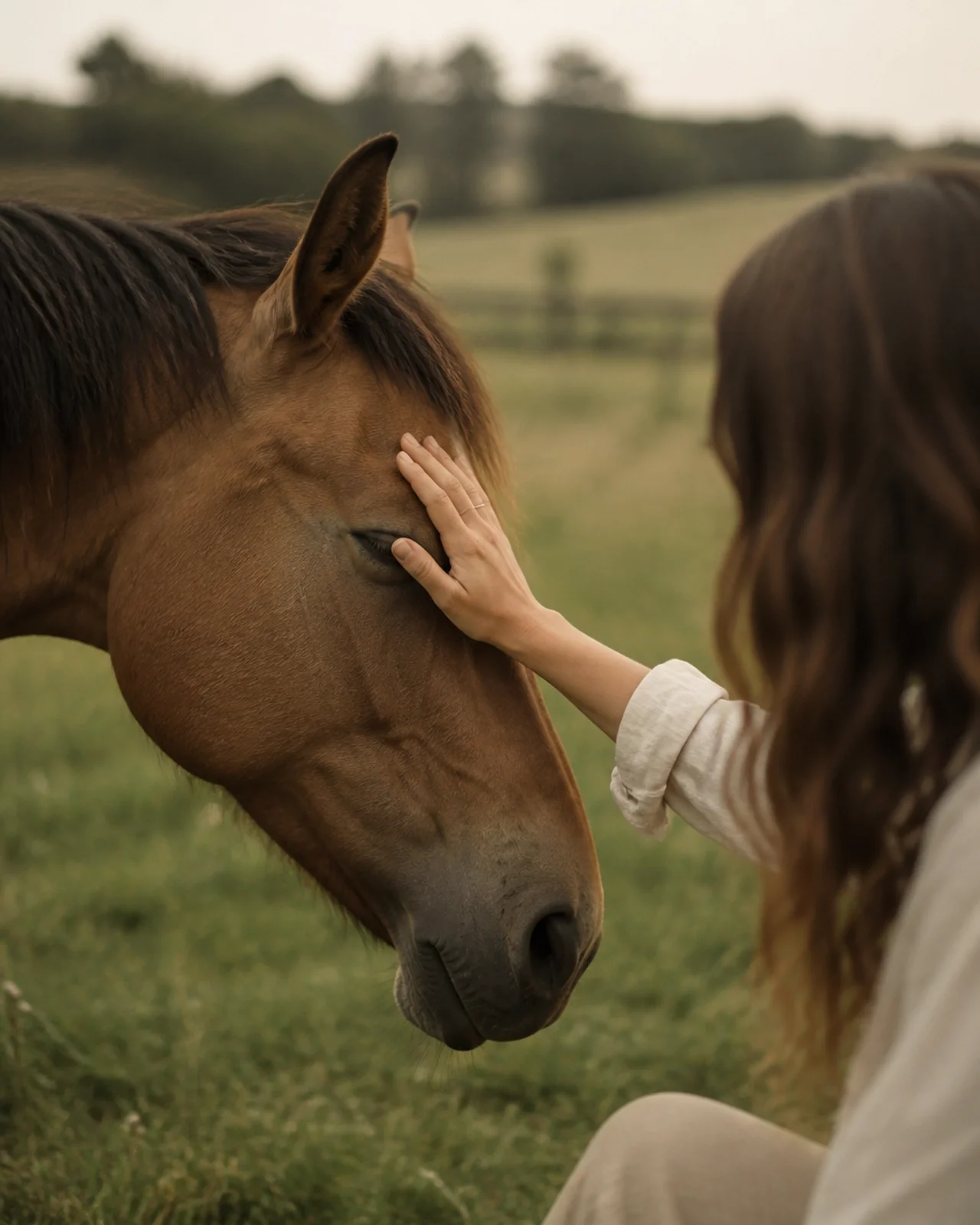
Farm Chores as Somatic Movement
You can invite guests to participate in rhythmic, repetitive tasks such as weeding a herb garden or raking hay. These activities act as moving meditations. They force the guest to focus on the present moment and their physical sensations. This is a form of somatic movement that helps discharge built-up stress from the body.
Animal Connection for Heart Rate Variability
Interaction with farm animals is sought by 62% of guests according to recent agritourism data. We suggest framing these interactions as "animal co-regulation" sessions. Brushing a horse or sitting quietly near grazing sheep has a measurable impact on a guest's heart rate variability. It encourages a state of calm that is difficult to achieve through traditional spa treatments alone.
The Family Loyalty Loop: Multigenerational Wellness
One of the most significant revenue opportunities for farm stays lies in family wellness. We have observed that families who experience genuine wellness together when their children are young will return to that property for a decade or more. This creates a powerful loyalty loop that reduces your long-term customer acquisition costs.
Farm stays are naturally multigenerational. While the parents seek nervous system regulation, the children can engage in nature immersion. Instead of a traditional "kids club" with screens and toys, your farm can offer "Junior Farmer" programs. This allows children to connect with the source of their food and the rhythms of nature. When the whole family leaves feeling regulated and connected, your property becomes a cornerstone of their yearly traditions.
Sleep-First Design: The Barn as a Sanctuary
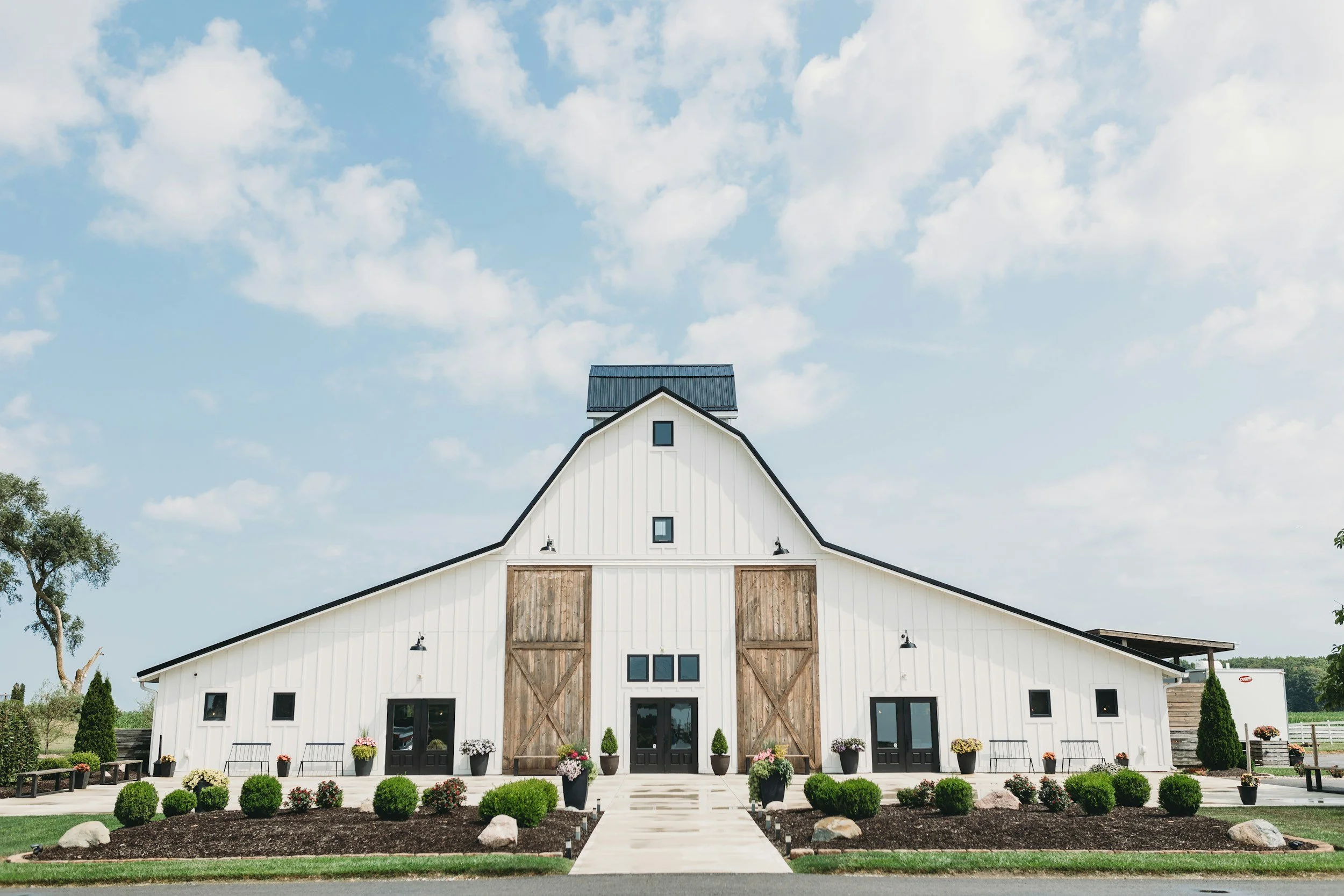
Sleep is the cornerstone of recovery hospitality. In our wellness ROI audits, we often find that properties spend thousands on decor but neglect the fundamental sleep environment. For a farm stay, you should leverage the natural quiet of the countryside while addressing specific guest needs.
Consider installing circadian lighting that mimics the natural movement of the sun. This helps reset the guest's internal clock which is often disrupted by blue light exposure. You might also provide "recovery kits" in each room. These kits can include weighted blankets that provide gentle pressure or silk eye masks to ensure total darkness. These small touches transform a simple room into a high-performance recovery suite.
F&B as a Recovery Engine
Your food and beverage program should be an extension of your wellness philosophy. Farm-to-table is no longer a differentiator; it is the baseline expectation. To move into recovery hospitality, your menus should focus on anti-inflammatory and adaptogenic ingredients.
We recommend designing "Sleep-Supporting Dinners" that avoid heavy stimulants and focus on magnesium-rich foods. You can also offer adaptogenic elixirs made from farm-grown mushrooms or herbs like ashwagandha. These menu items can be sold at a premium because they provide a specific functional benefit to the guest. By educating your guests on the provenance and the "why" behind their meal, you increase the perceived value of your F&B offering.
Revenue Ideas for Farm Destinations
To help you visualize the commercial potential of this shift, we have compiled a list of high-margin opportunities that you can implement with minimal capital investment:
Recovery Residencies: Offer 7 to 14 day stays specifically designed for professionals experiencing burnout. These can include a structured schedule of grounding activities and personalized nutrition plans.
The Wellness CSA: Create a membership model where local families pay a monthly fee to access your farm for quiet hours, garden harvesting, and wellness workshops.
Outcome-Based Packages: Instead of selling a "Farm Stay Package," sell a "Nervous System Reset" or a "Deep Sleep Intensive."
Digital Sabbatical Fees: Charge a small premium for rooms that are designated as "Signal-Free Zones" where you provide analog entertainment like high-quality books and sketching materials.
Animal Co-Regulation Workshops: Partner with a local practitioner to lead guided sessions that focus on the science of animal-human connection.
Building a Sustainable Future
The transition to recovery hospitality is a strategic move that aligns your property with the deepest needs of the modern traveler. By focusing on nervous system regulation and nature immersion, you create an experience that is both medically relevant and emotionally resonant. This approach not only drives higher ADR and longer stays but also builds a community of loyal guests who see your farm as an essential part of their health journey.
If you are looking to reposition your property or integrate these recovery principles into your guest journey, we can help you design a wellness revenue strategy that is both authentic and profitable. The opportunity for farm stays has never been greater. It is time to turn your barn into a space where your guests can finally breathe.
