
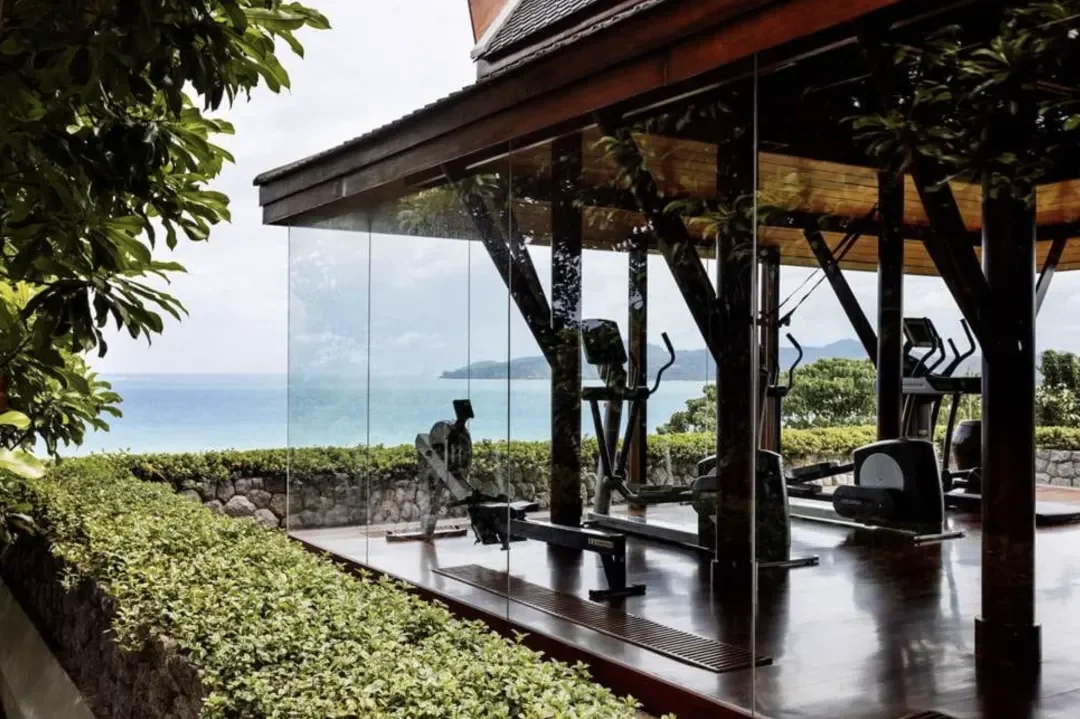
Your guest no longer pauses their routine when they travel. They relocate it.
For decades, the hotel gym was a basement room with two treadmills and a water cooler. Now, movement can influence where a guest books, what they purchase before arrival, and whether they return. But the opportunity is not simply to build a bigger gym. It is to make movement bookable, locally relevant, and operationally reliable.
Skyscanner’s 2027 Travel Trends report calls this shift “Gym-cation.” Its data offers a useful signal for hotel owners and retreat leaders: guests increasingly expect their wellness routines to travel with them.
The data: movement is part of the booking decision
According to Skyscanner, 28% of travelers prioritize hotels with on-site fitness facilities. That rises to 48% of Gen Z and 42% of Millennials. The numbers do not mean every guest wants a personal trainer or a full-service fitness club. They do suggest that a credible movement offer can help your property stand out before a guest arrives.
The behavior extends beyond the hotel gym. Skyscanner reports that ClassPass users booking wellness reservations outside their home location increased by more than 100% over two years. From July 2025 to June 2026, 15% of active ClassPass users booked a fitness class outside their home location. Among the listed fitness genres, Pilates led with a 42% increase in bookings outside users’ home locations. Yoga rose 16%, strength training 15%, cycling 7%, and barre 4%. These figures reflect ClassPass activity, not hotel class sales. Still, they show travelers are willing to seek out movement experiences in the places they visit.
Visibility is growing, too. Skyscanner reports a 659% year-over-year increase in TikTok video views of Gym Hotel content. Views of #FitnessRetreat rose 46%, while #WellnessRetreat views increased 118%. That is not proof that social content alone drives bookings. It is a clear sign that guests are seeing, sharing, and searching for fitness-led travel experiences.
The cities where Skyscanner users most selected its hotel-gym filter included Bangkok, Mumbai, New York, Phuket, and Seoul. ClassPass’s top destinations for traveling fitness bookings included New York, Los Angeles, London, Orange County, and Dallas. If your property is in an urban market, a resort destination, or a place with an active studio community, local movement may be part of your competitive story.
The Pilates lesson: turn the amenity into a community
In our recent piece on reformer Pilates as a hotel revenue driver, we explored how a studio can serve guests and local residents. Skyscanner’s data reinforces the logic: Pilates is the fastest-growing listed fitness genre booked by ClassPass users away from home.
The lesson is bigger than Pilates. A class can introduce a local resident to your property. A repeat membership can build a steady connection beyond overnight stays. A guest who discovers your instructor, studio, or outdoor program may remember your hotel as a place that made it easy to feel good while traveling.
That is movement as relational wellness, not just access to equipment. The room, the practitioner, and the people who gather there can become part of the value.
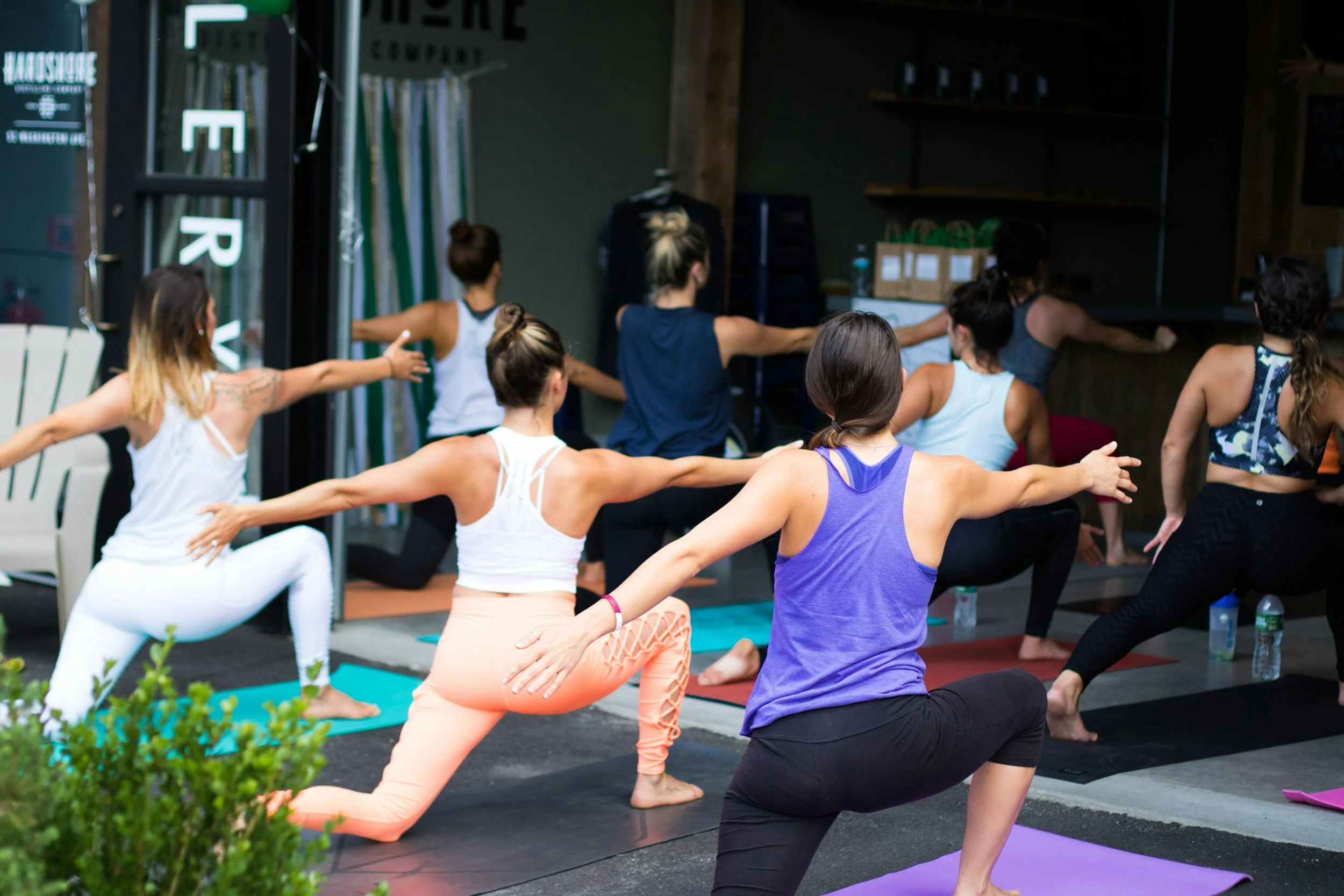
Movement is bookable inventory
A class slot, a private training session, or a guided recovery circuit can be sold and managed like other hotel inventory. The guest needs to know what is available, when it happens, how to reserve it, and whether there is a fee.
ClassPass SVP International Kristin Heintz describes the behavior simply: “Fitness is increasingly something travelers take with them on the road.” She recounts landing after a 19-hour flight and booking a megaformer class that began 45 minutes later, near her hotel. The class was a way to get ahead of jet lag and start exploring the neighborhood.
That kind of moment gives you a practical product idea: an arrival experience that connects movement, recovery, and a local partner. But a promising concept only works if the operation can deliver it.
Have you ever worked in a hotel? The hard part is not adding “fitness classes” to the website. It is staffing the 6 a.m. class, maintaining equipment, setting up the space, managing reservations, and ensuring the front desk can explain the offer. If your team cannot confidently answer basic questions, guests may never book.
Revenue ideas for hotels
You do not need to launch every idea at once. Start with the format that best fits your property, your team, and local demand.
Offer recurring local memberships or class packs. Manage access so resident participation creates recurring revenue without displacing hotel guests. Consistent classes can also bring members into your restaurant, bar, or future room sales.
Make private sessions bookable. Partner with a qualified trainer, yoga teacher, Pilates instructor, or movement coach. Offer a private session as a paid add-on, with clear availability and cancellation terms.
Add movement to the booking journey. Make classes or sessions available as pre-arrival add-ons in your booking engine. A guest should be able to reserve a time before the stay, not just discover the offer after check-in.
Create a “Jet Lag Reset” arrival package. Combine a gentle movement session with a recovery-focused room ritual, hydration, or a nourishing snack. Design the experience around helping guests settle in, not pushing them into an intense workout.
Build retreat partnerships. Invite local instructors or retreat leaders to bring their communities to your property. You provide rooms, space, service, and F&B; your partner brings an audience and programming expertise.
Treat breakfast as the foundation. Skyscanner reports that 66% of travelers are likely to book a hotel offering a nutritious breakfast, rising to 75% among Gen Z and Millennials. Nourishing breakfast supports a wellness promise, but it is increasingly table stakes rather than a complete differentiator.
Audit-style opportunities we often see
When we assess wellness programming, the opportunity is often already present. It simply is not connected to the guest journey or a clear way to book.
The gym is visible but unbookable. Guests can see equipment in photos, but they cannot reserve a session, class, or guided experience.
Equipment is available without a service around it. You have bikes, mats, or weights, but no staffing plan, schedule, maintenance routine, or explanation of how guests can use them.
Your website and social channels omit movement. Guests are consuming Gym Hotel and retreat content, but your own channels do not show what a guest can actually do.
Breakfast is an afterthought. A wellness-minded guest can find a workout but not an appealing, clearly described breakfast that supports the same promise.
The fix is not always a capital project. You may be able to activate an underused studio, meeting room, courtyard, or terrace with a local instructor and a simple booking process.
A practical 90-day plan
Use the next three months to test demand before investing in a permanent studio or a major equipment purchase:
Audit your offer as a guest would. Search your website and booking path for fitness options. Check the signage, schedule, reservation process, and front-desk answers.
Choose one bookable format. Start with a class, private session, guided route, or recovery circuit that suits your space and guest profile.
Test one partnership. Invite a local studio, trainer, or retreat leader to run a small pilot. Agree on staffing, capacity, revenue share, and service responsibilities in advance.
Ask one guest question. Add a post-stay survey question about which movement experiences guests used or wanted to book.
Review the results. Track class utilization, cancellations, ancillary spend, partner costs, guest feedback, and whether the experience generated local or repeat interest.
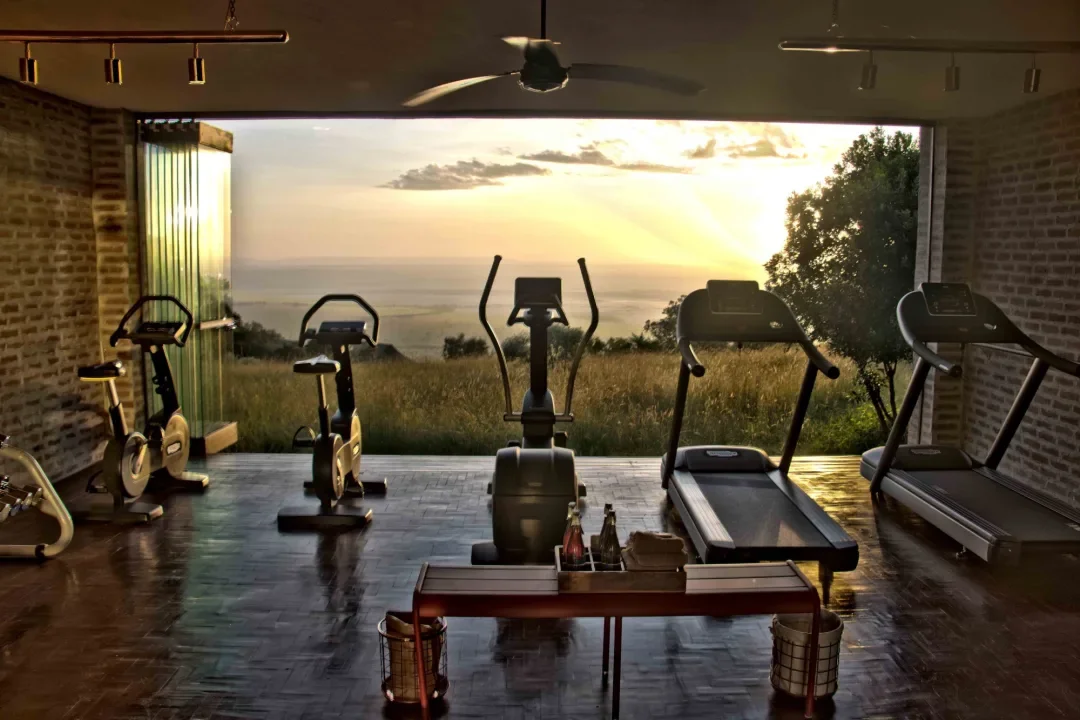
Make movement part of the reason to stay
The picture is clear: your guests may want to maintain a familiar routine, discover a neighborhood studio, or use movement to feel restored after travel. Your hotel does not need to become a fitness club. It needs a clear, well-run offer that connects movement to the guest experience and gives people a reason to book it. For a starting point, explore our wellness ROI audit to identify opportunities already present in your property. Our nervous system regulation playbook and Aliveness Factor article offer additional ways to connect guest wellbeing with a more memorable and measurable hospitality experience.
At Elevate Hospitality Collective, we help hotel owners, operators, and retreat leaders turn wellness ideas into guest journeys and commercial strategies. The first step may be smaller than you think: one useful class, one trusted partner, and one easy way for a guest to say yes.
